
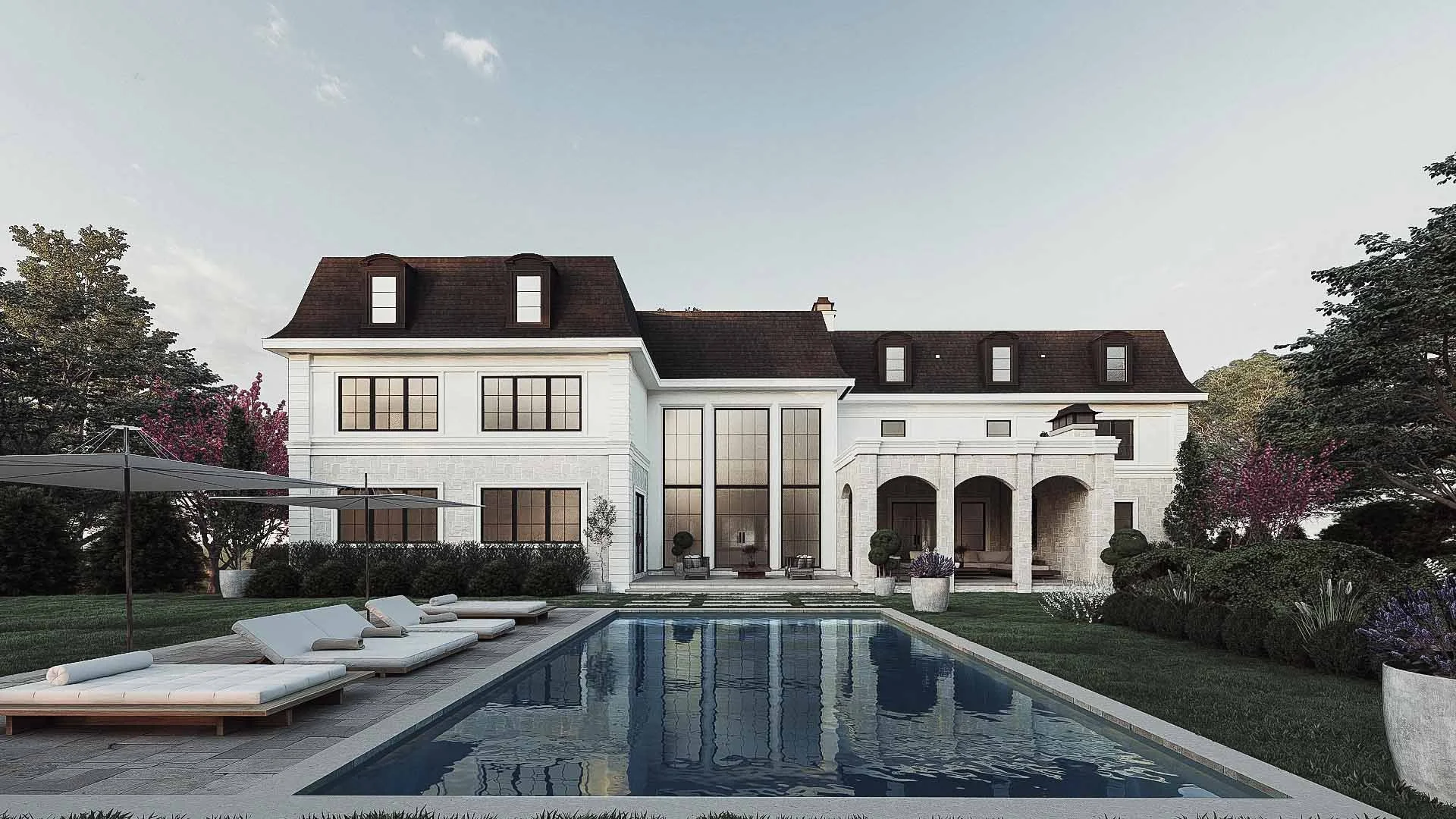
What Is Full-Service Design? Why It Matters for Your Luxury Home
What Is Full-Service Design? Why It Matters for Your Luxury Home
At RS Mannino, we offer a seamless, architect-led full-service design approach that integrates architecture, interior design, and construction under one roof. From custom millwork to bespoke furnishings, our team ensures that every detail is curated and executed with precision—resulting in a home that is not only beautifully designed but also move-in ready.
Our process includes:
✔ Architectural Design & Master Planning – Creating a cohesive vision tailored to your lifestyle.
✔ Interior Selections & Custom FF&E Design – Sourcing and designing custom furniture, lighting, textiles, and accessories for a truly personalized home.
✔ Construction & Millwork Execution – Ensuring seamless integration between design intent and craftsmanship.
By choosing a full-service design-build firm, you benefit from a streamlined process, enhanced quality control, and a stress-free experience—all while achieving a home that is timeless, sophisticated, and uniquely yours.
Ready to bring your vision to life? [Contact us today](#) to learn how our full-service approach can transform your home.
When planning a custom home or major renovation, homeowners often face a critical decision: should they hire separate architects, interior designers, and builders, or choose a full-service design-build firm? At RS Mannino, we believe that a seamless, integrated approach leads to better results, greater efficiency, and a stress-free experience. But what exactly is full-service design, and why should it matter to you?
What Is Full-Service Design?
Full-service design is a holistic approach that brings together architecture, interior design, and construction under one roof. Instead of managing multiple firms, clients work with a single team from concept to completion. This ensures that every detail—whether structural, aesthetic, or logistical—is considered from the outset.
At RS Mannino, our full-service design process includes:
✔ Architectural Design & Master Planning – We develop a cohesive vision that aligns with your home’s history, local context, and lifestyle.
✔ Interior Selections & Material Coordination – We curate finishes, millwork, fixtures, and furnishings that enhance the home’s architecture.
✔ FF&E Services (Furniture, Fixtures & Equipment) – We design and source custom furniture, lighting, and décor to create a truly personalized home.
✔ Construction Oversight & Execution – With in-house builders, we maintain quality, budget, and timeline control.
✔ Millwork & Custom Cabinetry – Our skilled artisans create one-of-a-kind built-ins, kitchen cabinetry, and architectural woodwork.
Why Full-Service Design Matters for Your Home
1. A Cohesive Vision from Start to Finish
Traditional project delivery often results in miscommunication between architects, interior designers, and contractors. A design-build approach ensures that every element—from the floor plan to furniture selection—is aligned from the beginning, eliminating costly disconnects.
For example, in a recent renovation, we designed custom built-ins and coordinated them with bespoke furniture layouts to ensure a perfect flow between architectural and interior elements.
2. FF&E & Custom Furniture Design: A Fully Curated Home
Most clients want more than just a well-constructed house—they want a home that reflects their lifestyle and taste. That’s where FF&E services come in.
At RS Mannino, we handle:
Custom furniture design – Bespoke sofas, dining tables, and statement pieces tailored to your space.
Luxury lighting selection – Hand-picked chandeliers, sconces, and architectural lighting that enhance the ambiance.
Soft goods & textiles – Custom window treatments, rugs, and upholstery to add warmth and personality.
Art & accessories curation – Thoughtfully selected pieces that complete the space.
By integrating architecture, interiors, and furnishings under one expert team, we ensure that your home isn’t just well-built—it’s also impeccably styled and move-in ready.
3. More Accurate Budgeting & Cost Control
One of the biggest frustrations in home construction is budget creep. When architects and designers work separately from builders, designs are often developed without real cost awareness, leading to unexpected price increases.
With our full-service approach, we:
✔ Establish realistic budgets from the start.
✔ Offer value-engineered solutions without compromising quality.
✔ Ensure selections and specifications align with your overall investment.
This approach prevents last-minute surprises and keeps your project on track.
4. Streamlined Project Timelines & Stress-Free Process
Coordinating multiple firms often results in delays, conflicting opinions, and unnecessary stress. A full-service team collaborates in real-time, ensuring:
Faster approvals and decision-making.
Seamless transitions between design phases.
A more enjoyable experience for you.
We handle everything—from concept sketches to the final furniture install—so you don’t have to juggle multiple vendors.
5. Better Quality Control & Craftsmanship
A beautifully designed home deserves impeccable execution. Our in-house construction team works closely with our designers to preserve design integrity and deliver superior craftsmanship.
Additionally, our custom cabinetry & millwork shop allows us to create one-of-a-kind architectural details, such as:
✔ Bespoke kitchen cabinetry.
✔ Custom built-ins and paneled libraries.
✔ Handcrafted ceiling details and wainscoting.
By keeping design and execution under one roof, we elevate both the quality and cohesion of your home.
Is Full-Service Design Right for You?
If you value a seamless experience, personalized design, and a move-in-ready home, then a full-service design-build firm is the best choice. Whether you’re building a new custom home or reimagining an existing space, our team ensures that your investment results in a home that is:
✔ Thoughtfully designed to reflect your lifestyle.
✔ Meticulously crafted for lasting beauty.
✔ Completely furnished & styled so you can enjoy it from day one.
At RS Mannino, we blend architectural expertise, interior design mastery, and fine craftsmanship to create homes that are timeless, sophisticated, and tailored to you.
Ready to Get Started?
Let’s bring your vision to life. Contact us today to schedule a consultation and discover how full-service design can transform your home.
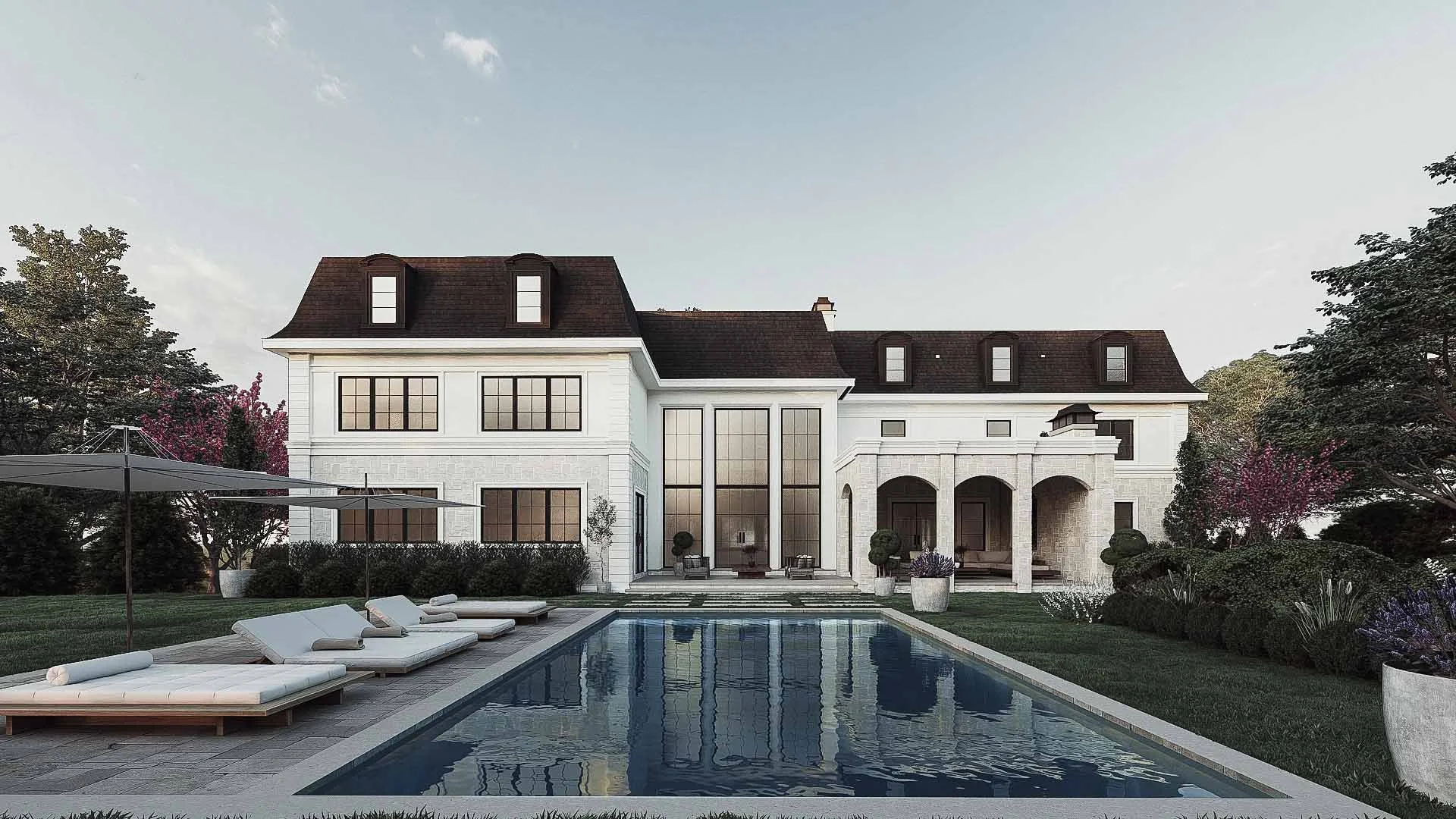
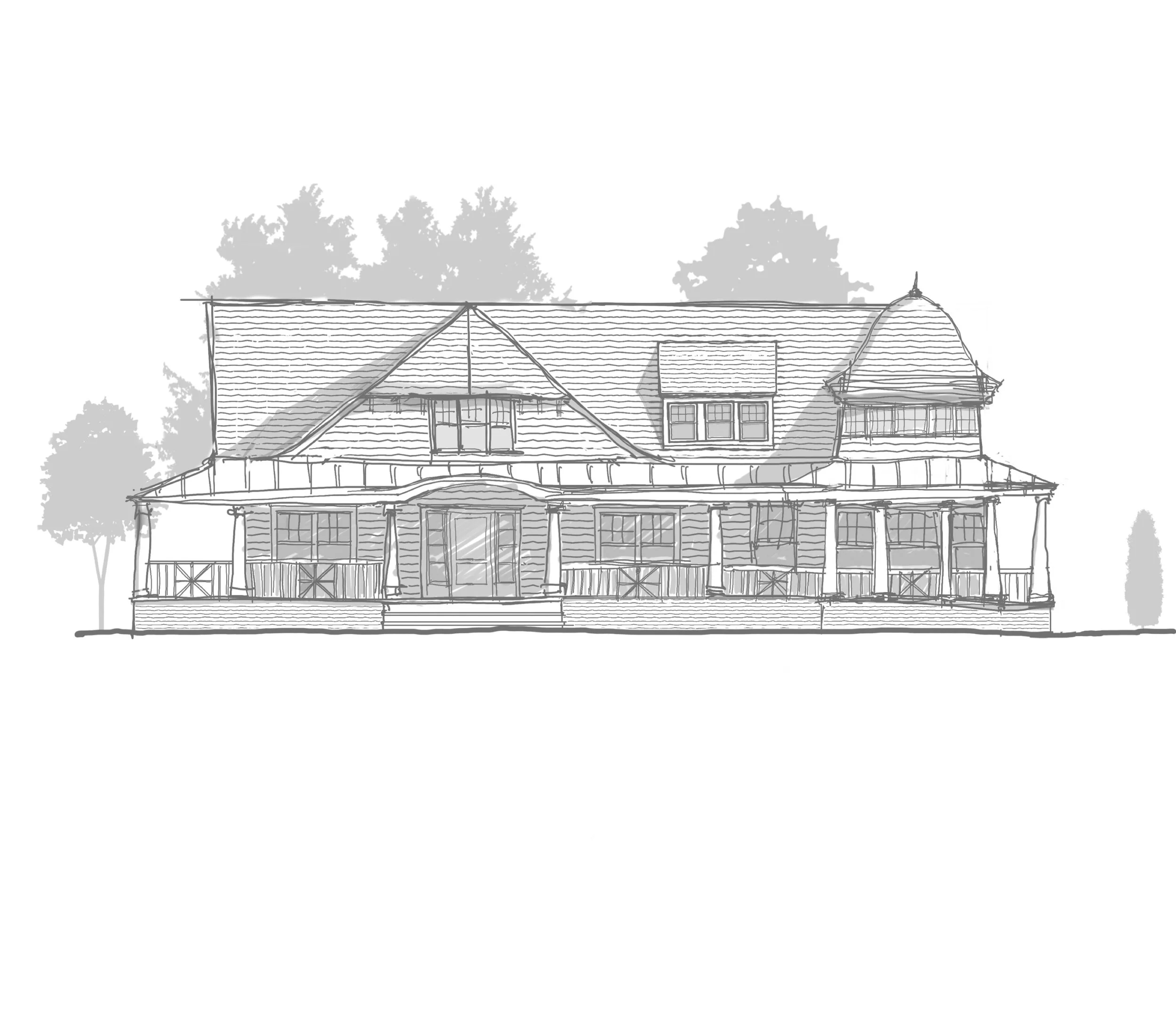
Beyond the Build: Creating a Legacy Home That Lasts Generations
The Craftsmanship of Timelessness
Imagine a home where the details whisper stories of artistry and dedication. Where the grain of hand-selected wood runs like a river through custom-milled cabinetry. Where the sweep of a staircase invites you to ascend to new heights of elegance. This is the essence of a legacy home – a place where craftsmanship transcends trends, and quality becomes an heirloom.
At RS Mannino, we believe that true luxury lies in the meticulous execution of every element. Our in-house millwork team, Mannino Millwork, brings an unparalleled level of artistry to each project. From intricately carved moldings to bespoke built-ins, their work elevates the everyday to the extraordinary.
This commitment to craftsmanship extends to every facet of our design-build process. Whether it's the careful selection of durable materials or the precise execution of architectural details, we pour our passion into creating homes that will stand as testaments to enduring quality and timeless design.
A home is more than just a structure; it's a reflection of your values, a place to create family memories, and an enduring asset. When you build a legacy home, you're not just constructing a building – you're crafting a piece of history.
What Makes a Legacy Home?
A true legacy home is built to stand the test of time. It's a place that will be cherished by generations to come. Here are some key elements to consider:
Quality Materials: Invest in high-quality materials that are durable and beautiful.
Timeless Design: Choose classic architectural styles and interior design elements that will never go out of style.
Adaptable Spaces: Design your home with flexibility in mind. Consider future needs, such as aging in place or accommodating a growing family.
Energy Efficiency: Incorporate energy-efficient features to reduce your environmental impact and lower long-term costs.

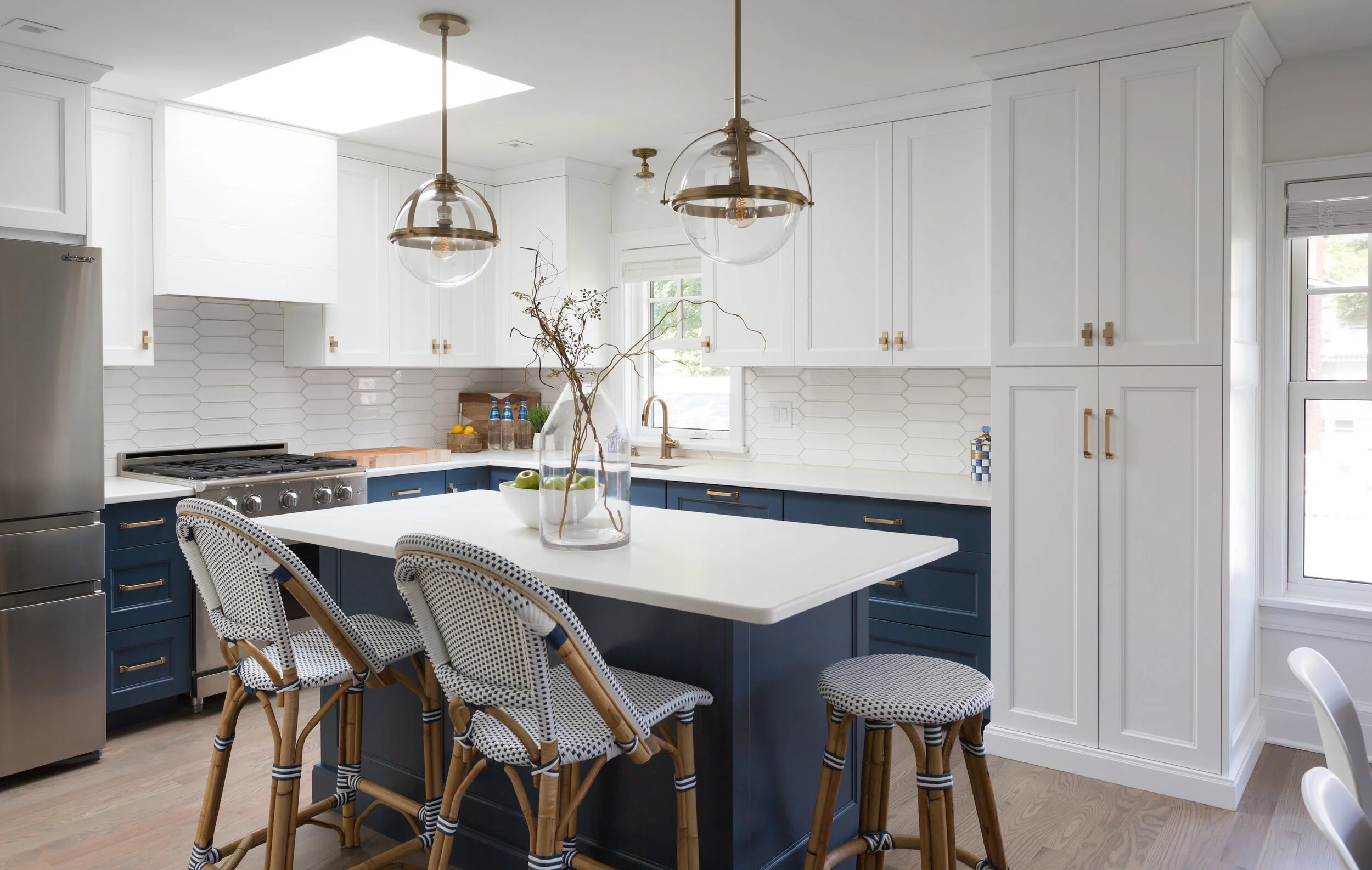
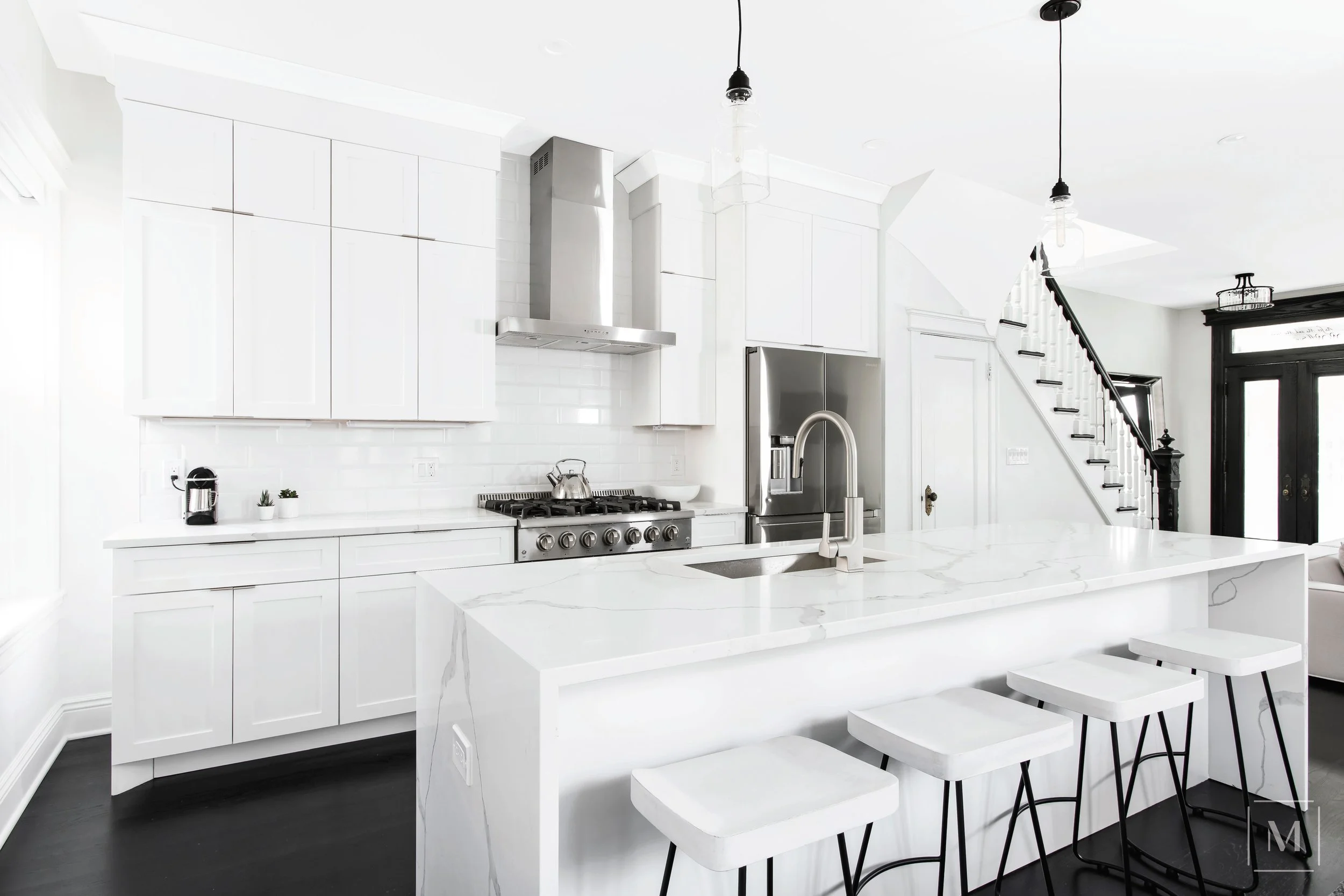
A kitchen designed for entertaining with quality materials with timeless design
The Emotional Connection
Beyond the physical attributes, a legacy home also has an emotional dimension. It's a place where families gather, traditions are formed, and memories are made. When you build a legacy home, you're creating a space that will evoke strong emotions for generations to come.
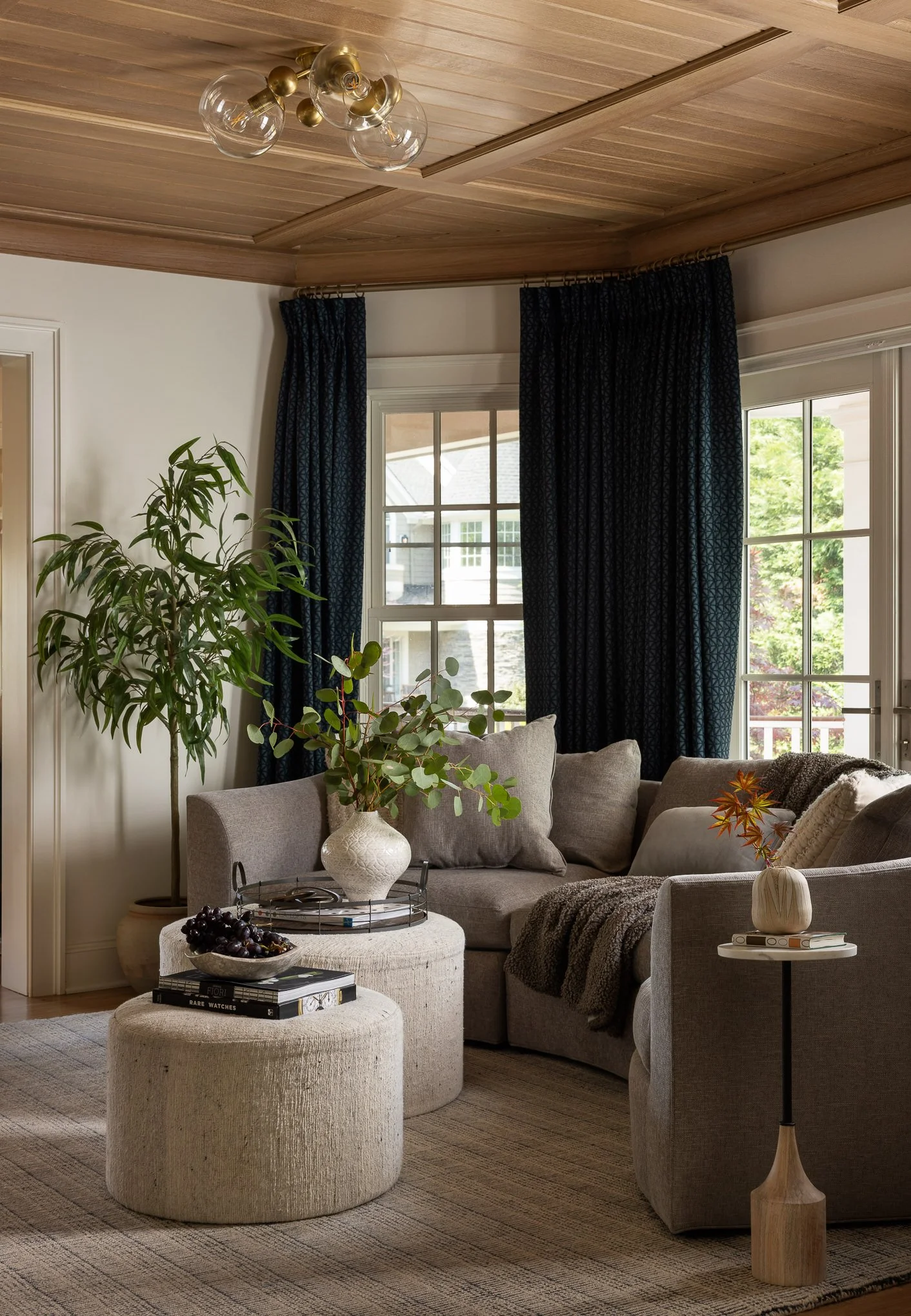
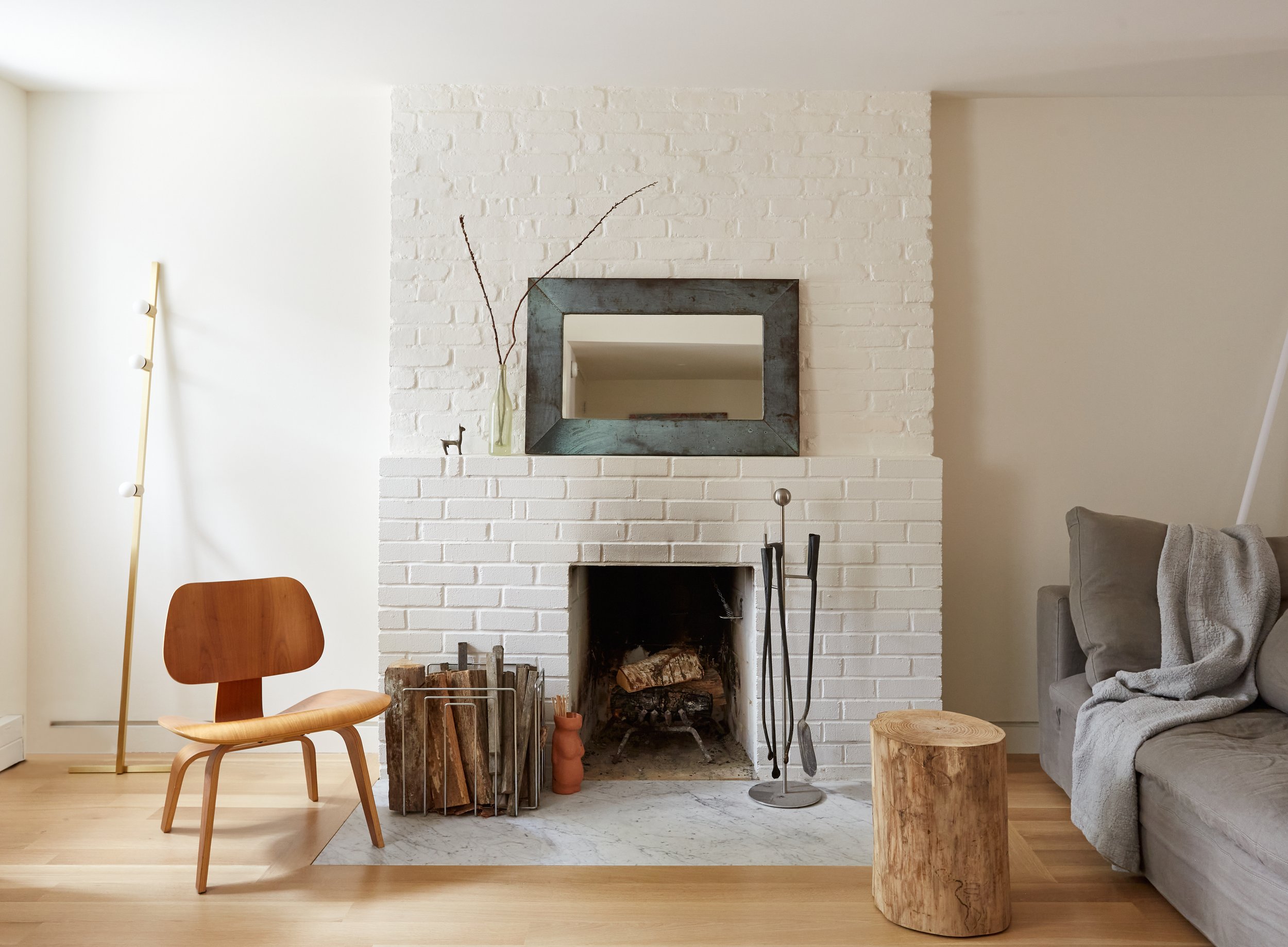
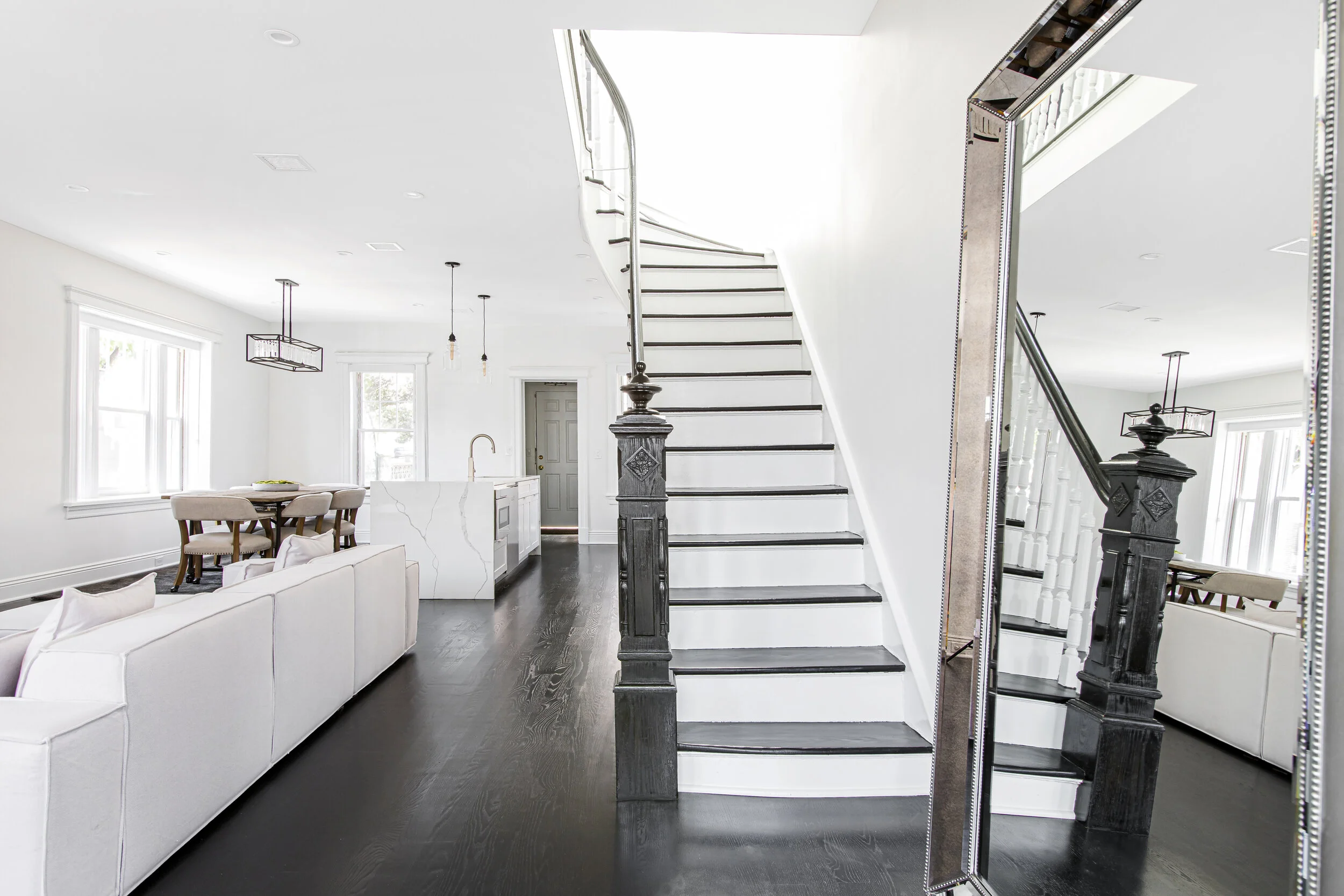
A cozy family room where many memories will be made
Partnering with RS Mannino
At RS Mannino, we understand the importance of building a home that lasts. Our team of experienced architects, designers, and builders is dedicated to creating stunning, functional, and enduring spaces. We work closely with our clients to understand their vision and bring it to life.
Let's Build Your Legacy Together
If you're ready to build a legacy home that will be cherished for generations, contact us today. We'll guide you through the entire process, from initial design to final construction.
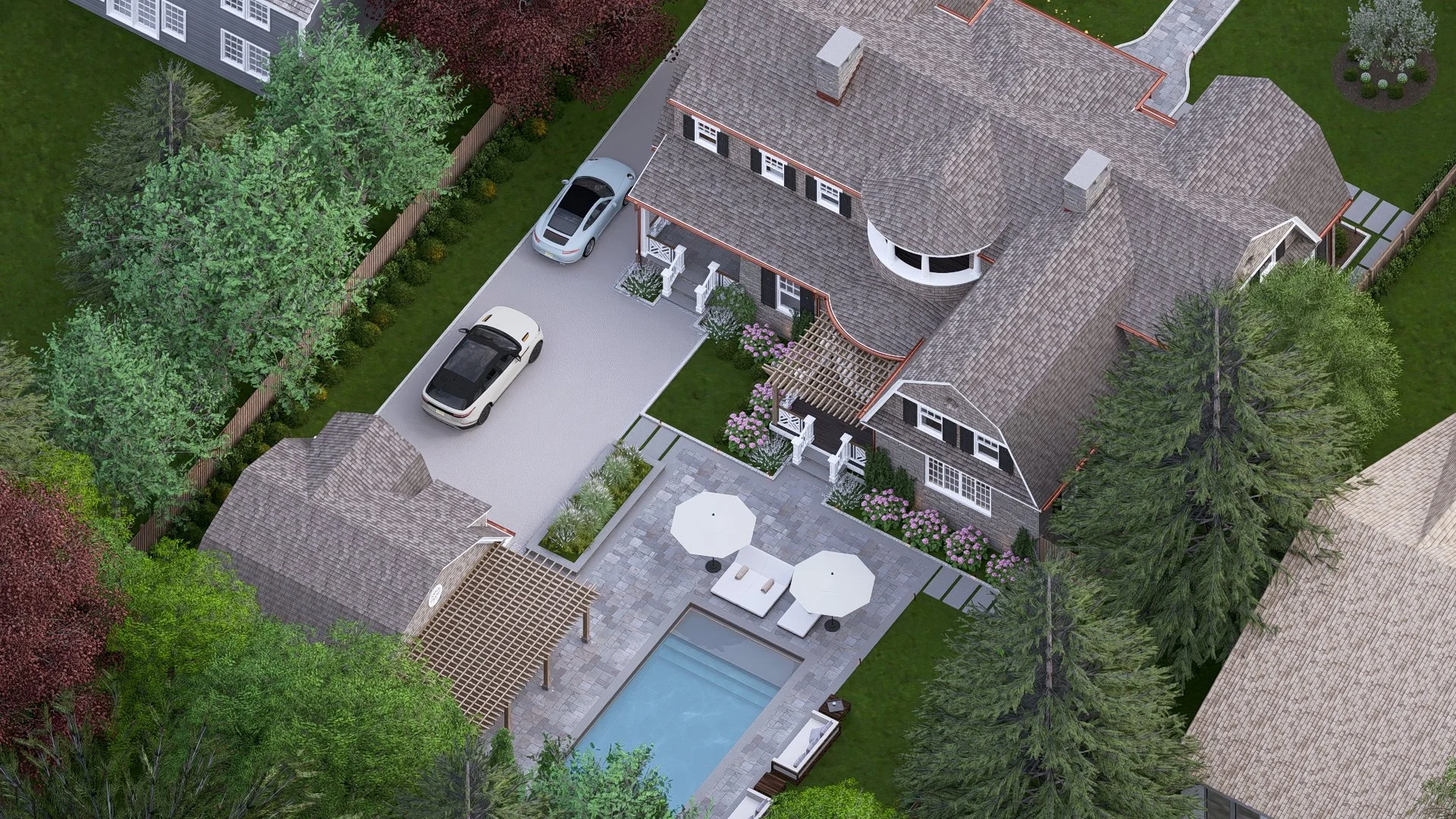
Your Guide to Choosing the Perfect Lot for Your Custom Home: Insights from an Architect and High-End Home Builder
Choosing the perfect lot is essential for a custom home that feels fully integrated with its surroundings. In this guide, we cover the key factors—sunlight, topography, utilities, and more—to help you select a lot that aligns with your vision and sets the foundation for a truly exceptional home.
When you’re building a custom home, the right lot is more than just a piece of land—it’s the foundation for your dream. As an architect-led design-build firm, we at RS Mannino know the intricacies of crafting homes that blend seamlessly with their natural and built surroundings. Here’s what we consider essential when helping clients choose the perfect lot for their custom homes.
1. The Big Picture: Community and Context
Quick Take: The right lot isn’t just about the land itself; it’s about how the location fits with your lifestyle and architectural vision.
In Depth: We work with clients to understand the long-term vision for their home, considering not just the individual property but also the surrounding neighborhood and community. For example, we take note of nearby architectural styles, potential development plans, and other context-sensitive factors. A high-end custom home should fit seamlessly into its setting while enhancing the area’s overall aesthetic and value.
2. Site Orientation: Maximizing Light and Privacy
Quick Take: We assess a site’s orientation to optimize daylight, privacy, and views, tailoring the home to enhance the lot’s natural features.
In Depth: The way sunlight moves across a property influences everything from energy efficiency to the quality of interior light. For our clients, we assess each lot’s orientation carefully to capture morning light in key living spaces, ensure privacy from nearby properties, and frame picturesque views. A south-facing home can offer optimal natural lighting, while west-facing views can provide stunning sunsets. Every detail is carefully considered to create spaces that feel both private and connected to their surroundings.
3. Topography: Building with the Land, Not Against It
Quick Take: We evaluate a lot’s topography to incorporate natural slopes, contour lines, and site features into the design, minimizing disruption and maximizing harmony.
In Depth: Building a custom home is about working with the land’s unique characteristics. At RS Mannino, we approach each lot with respect for its natural topography, which might mean designing a terraced home on a hillside or strategically positioning retaining walls. We assess the terrain to balance structural integrity with aesthetic appeal, leveraging natural land contours to reduce excavation, protect existing vegetation, and integrate the home beautifully into its landscape.
4. Utilities and Access: Prioritizing Convenience and Functionality
Quick Take: Essential utilities and infrastructure shouldn’t be an afterthought; they’re fundamental to a site’s feasibility and long-term comfort.
In Depth: It’s easy to overlook utilities in the excitement of choosing a lot, but they play a critical role in both budget and design flexibility. We investigate access to water, sewer, gas, and electricity early on to avoid costly surprises. For remote or semi-rural lots, the addition of infrastructure like private wells, septic systems, or extended driveways requires thoughtful design to balance functionality with the surrounding aesthetic.
5. Zoning Laws and Design Flexibility
Quick Take: Zoning codes and setbacks are often restrictive, so understanding a lot’s building envelope is essential for achieving your design goals.
In Depth: High-end custom homes often require a level of freedom that not every lot offers. Local zoning laws dictate restrictions such as building setbacks, height limitations, and permissible structures on the property. Our team works with clients to ensure the lot’s zoning aligns with the vision, whether that means building a sprawling estate or designing with height to capture views. We help our clients understand any limitations, allowing them to make informed decisions before investing.
6. Environmental and Sustainable Design Considerations
Quick Take: Sustainable building starts with the land itself. We evaluate a lot’s environmental characteristics to create eco-friendly designs that last.
In Depth: A high-end custom home should not only look beautiful but also respect and enhance its natural environment. At RS Mannino, we conduct detailed site analyses to understand factors like drainage patterns, local vegetation, and wind exposure. With these insights, we incorporate sustainable elements, such as green roofs, drought-resistant landscaping, and natural drainage solutions, ensuring the home both coexists with and conserves the environment.
7. Space for Future Growth or Additional Features
Quick Take: We encourage our clients to envision not only the immediate design but also the potential for expansion or lifestyle shifts.
In Depth: Life evolves, and a custom home should be able to adapt with it. As architects and builders, we ensure the lot you choose supports not only your current needs but also future dreams. Whether you envision adding a pool, outdoor kitchen, or guest house, we help select lots with sufficient space and zoning flexibility for growth. A property with expansion potential increases both lifestyle adaptability and property value.
Our Approach at RS Mannino: Crafting Homes in Harmony with Their Land
Choosing the right lot is an art that blends design vision with practical insights. Our architect-led design-build approach means we see beyond the land's surface, evaluating every aspect to guide our clients in selecting a lot that becomes the canvas for their ideal home. From maximizing natural light to respecting the land’s unique contours, we design high-end custom homes that feel like an organic extension of the lot itself.
Are you ready to take the next step toward your dream home? Contact RS Mannino today to explore how our team can help you find the perfect lot and transform it into a residence that reflects your unique lifestyle and aspirations.
Preserving Heritage: Integrating Historical Elements into Modern Luxury Homes
Discover how to seamlessly blend historical elements with modern luxury in residential design, creating timeless homes that honor the past while embracing the present.
In the world of luxury home design, there’s a unique beauty in blending the past with the present. Modern luxury doesn't have to mean discarding the elements that have defined architectural beauty for centuries. By recognizing and preserving historical elements, we can create homes that tell a story, connecting the past to the present while elevating a home's character and appeal. At RS Mannino, we believe that honoring a home's heritage can lead to truly timeless designs. Here’s how we integrate historical elements into modern luxury homes.
1. Respecting the Original Architecture
When working with historic homes or properties that have distinct architectural features, it’s essential to understand and respect the original design. This involves researching the architectural style, era, and context of the building. For instance, if we’re working with a Colonial-style home, we consider its symmetrical facades, classic proportions, and traditional materials. By maintaining the essence of these historical styles, we create spaces that feel both authentic and luxurious.
Key Approach: We preserve original features like stone walls, wooden beams, or intricate moldings, subtly enhancing them to meet modern standards while retaining their historical charm.
2. Blending Old and New Materials
One of the most striking ways to integrate historical elements is through the careful selection of materials. Combining traditional materials such as reclaimed wood, brick, and stone with modern finishes like glass, steel, and polished concrete creates a stunning contrast. This juxtaposition not only emphasizes the beauty of the original elements but also showcases the sophistication of contemporary design.
Example: Incorporating a reclaimed wood ceiling in a room with sleek, minimalist decor can add warmth and character, creating a unique and balanced aesthetic.
3. Restoring and Repurposing Vintage Features
Incorporating historical elements doesn’t always mean leaving them as they were. Restoration and repurposing play a significant role in bringing these features into modern luxury homes. Original windows, doors, and fireplaces can be restored to their former glory, while outdated elements can be repurposed for new functions.
Innovative Ideas:
- Transform an old barn door into a sliding partition in a modern open-concept space.
- Restore an antique fireplace to serve as a focal point in a contemporary living room.
4. Modern Adaptations of Classic Styles
While preserving original features is crucial, we also find opportunities to reinterpret historical styles in a modern context. This approach allows us to incorporate historical references without sacrificing modern comforts and conveniences. For instance, traditional wainscoting or coffered ceilings can be given a contemporary twist through streamlined designs or the use of unexpected materials.
Design Insight: A modern kitchen can be enhanced with cabinetry inspired by classic Shaker styles, using updated finishes and hardware to create a space that feels both timeless and fresh.
5. Seamless Integration of Modern Technology
In luxury homes, modern technology plays a vital role in enhancing comfort, security, and sustainability. When integrating historical elements, it’s important to ensure that modern amenities blend seamlessly with the preserved features. This might involve discreetly installing smart home systems, underfloor heating, or energy-efficient lighting in a way that doesn't detract from the home’s historical character.
Example: Incorporate state-of-the-art climate control behind restored period radiators or integrate modern lighting within antique chandeliers to retain the ambiance while enjoying contemporary conveniences.
6. Highlighting Architectural Details as Focal Points
Historic homes are often rich with architectural details like archways, moldings, and decorative trims. In modern luxury design, these elements can be highlighted as focal points, drawing attention to the home's unique character. By contrasting these features with modern minimalist decor, they become striking art pieces within the space.
Design Tip: In a room with ornate crown molding, opt for minimalist furnishings to allow the molding to take center stage, creating a dynamic interplay between old and new.
7. Creating a Dialogue Between Past and Present
Ultimately, the goal of integrating historical elements into modern luxury homes is to create a dialogue between the past and present. This dialogue results in spaces that are not just luxurious but also rich in history and personality. The tension between old and new creates a layered and complex aesthetic that resonates with those who appreciate both traditional craftsmanship and contemporary design.
Our Approach at RS Mannino: We approach each project with a deep respect for its architectural roots while embracing innovation and modernity. By thoughtfully integrating historical elements, we craft homes that are elegant, timeless, and uniquely tailored to their surroundings.
Integrating historical elements into modern luxury homes is a delicate balancing act that requires a deep understanding of both historical architecture and contemporary design principles. By honoring the past and skillfully blending it with the present, we can create homes that are not only luxurious but also carry a sense of history and place. At RS Mannino, our philosophy is to recognize the past to elevate a home's present potential, crafting spaces that are as sophisticated as they are soulful.
This article not only educates potential clients about your design philosophy but also showcases your expertise in integrating historical elements into modern luxury homes, helping to boost your website's SEO by targeting relevant keywords in the luxury home design niche
Illuminating Elegance: Maximizing Natural Light in Diverse Residential Spaces
Explore innovative strategies for maximizing natural light in high-end residential spaces, harmonizing strategic window placements and diverse lighting ambiances to create homes exuding warmth, sophistication, and tranquility.
In the realm of high-end residential design, few elements rival the transformative power of natural light. Its ethereal glow not only enhances the beauty of architectural spaces but also elevates the mood and well-being of occupants. At our design firm, we understand the profound impact of natural light on the ambiance of a home. In this article, we delve into our strategies for maximizing natural light in residential interiors, crafting spaces that exude warmth, vitality, and timeless elegance, while also acknowledging the value of diversity in lighting and ambiance.
Harnessing the Power of Natural Light
Natural light serves as a cornerstone of our design philosophy, guiding every aspect of our residential projects. Here are some key strategies we employ to infuse homes with radiant luminosity:
1. Strategic Window Placement
Windows are the portals through which natural light streams into a home, shaping its atmosphere and character. We meticulously analyze site orientation and architectural layout to strategically position windows for optimal daylight penetration. We balance the desire for abundant natural light with considerations for privacy and aesthetic preferences. While some rooms benefit from bright, airy spaces, others may be enhanced by darker, moodier color palettes to create a sense of tranquility and intimacy.
2. Skylights
Skylights are architectural marvels that invite the sun's rays to dance across the ceilings, infusing spaces with a gentle, diffused illumination that enhances comfort and reduces glare. In our designs, we integrate skylights judiciously to bathe interiors in natural light, particularly in central areas such as living rooms, kitchens, and stairwells. We prefer and strive to keep skylights on northern exposures to avoid harsh direct natural light.
3. Diverse Lighting Ambiance
We recognize that not all rooms should be bright and filled with natural light. Some spaces benefit from a more intimate and cozy atmosphere, achieved through deliberate choices in lighting and color palette. Darker, moodier color palettes are incorporated strategically to create a sense of tranquility and depth in certain areas of the home. By embracing the diversity of lighting ambiance, we enhance the overall experience and functionality of residential interiors.
4. Oversized Lower Level Window Wells
To bring natural light into subterranean levels, we employ oversized window wells that extend deeper into the ground, allowing sunlight to filter in and illuminate these spaces. These window wells are carefully integrated into the design, ensuring that even lower levels feel connected to the outdoors and infused with natural light.
5. Reflective Surfaces and Light-Friendly Materials
In our quest to maximize natural light, we employ a palette of light-friendly materials and finishes that amplify its luminous allure. From polished marble floors that gleam in the sunlight to mirrored surfaces that bounce rays around the room, every material is chosen with the intention of enhancing daylight's radiance. By embracing the interplay of light and texture, we create interiors that shimmer with understated elegance and sophistication.
6. Dynamic Daylighting Controls
While natural light is a precious resource, it must be managed thoughtfully to optimize comfort and energy efficiency. Our designs incorporate dynamic daylighting controls, such as motorized shades and louvers, to modulate sunlight levels throughout the day. By seamlessly integrating technology with architecture, we empower homeowners to customize their lighting environment while maximizing the benefits of natural light.
We believe that natural light is more than a design element—it's a transformative force that enhances the quality of life in residential spaces. Through strategic window placement, skylights, diverse lighting ambiance, oversized lower level window wells, reflective surfaces, and dynamic daylighting controls, we create homes that resonate with warmth, sophistication, and tranquility. If you're seeking to illuminate your living environment with the beauty of natural light, we invite you to embark on a journey with us to craft a home that radiates with luminous splendor.
Navigating the Maze: A Step-by-Step Guide to Your NYC Apartment Renovation
Join Rosario S. Mannino in unraveling the complexities of initiating your NYC apartment renovation, offering expert guidance and insights.
Embarking on an apartment renovation in New York City can seem like a daunting task, but with a systematic approach, a reliable team, and a well-thought-out plan, you can navigate the complexities seamlessly. As the owner of RS Mannino Architecture & Design, I'm Rosario S. Mannino, and in this blog post, I'll outline the crucial steps to kickstart your apartment renovation in the Big Apple.
1. Set Clear Goals:
Committing to a renovation project begins with establishing clear goals. Determine your needs and desires for the renovation, starting from overarching themes down to intricate details. Simultaneously, establish a realistic budget, with key factors like Scope of Work, Hiring, and Purchases in mind.
2. Hire an Architect:
Engaging the services of an architect is paramount for a successful apartment renovation. Beyond designing, architects like myself guide you through budgeting, goal setting, contractor selection, and more. Collaborate with professionals whose vision aligns with yours to ensure a harmonious project.
3. Review the Alteration Agreement:
Familiarize yourself with your building's rules through the Alteration Agreement. Different buildings have varying regulations, and it's crucial to ensure your team adheres to them. Consider specific rules like "Wet Over Dry" and work within them creatively when possible.
4. Building Management Review:
Submit your architectural design, drawings, and specifications to the building management for approval. Expect a back-and-forth process as the management ensures compliance with building regulations. Patience is key during this stage.
5. Condo or Co-Op Board Approval:
Obtain approval from the condo or co-op board before proceeding with your renovation, especially if special requests or unique proposals are part of your plan.
6. File with DOB:
File an Alteration application with the NYC Department of Buildings. Be prepared for a review process with potential questions and requests for additional information.
7. Bid the Job:
Initiate the bidding process to gather prices and proposals from construction contractors. Choose a contractor based on trust and capability rather than opting for the lowest bidder.
8. Hire a General Contractor:
Select a general contractor who aligns with your vision and exhibits professionalism. Trust your instincts and avoid contractors who lean too heavily on sales tactics.
9. Obtain Permits:
Once the contractor is selected, the architect will file for permits with the Department of Buildings. Construction cannot commence until permits are obtained under the contractor's license.
10. Start Construction:
With permits secured, construction can begin. While the process may be challenging, having a competent team will make the journey smoother.
Embarking on an apartment renovation in New York City is undoubtedly a complex endeavor. However, with qualified professionals and a solid plan, the rewards will undoubtedly outweigh the challenges. Trust in your team, stay organized, and enjoy the transformation of your living space.
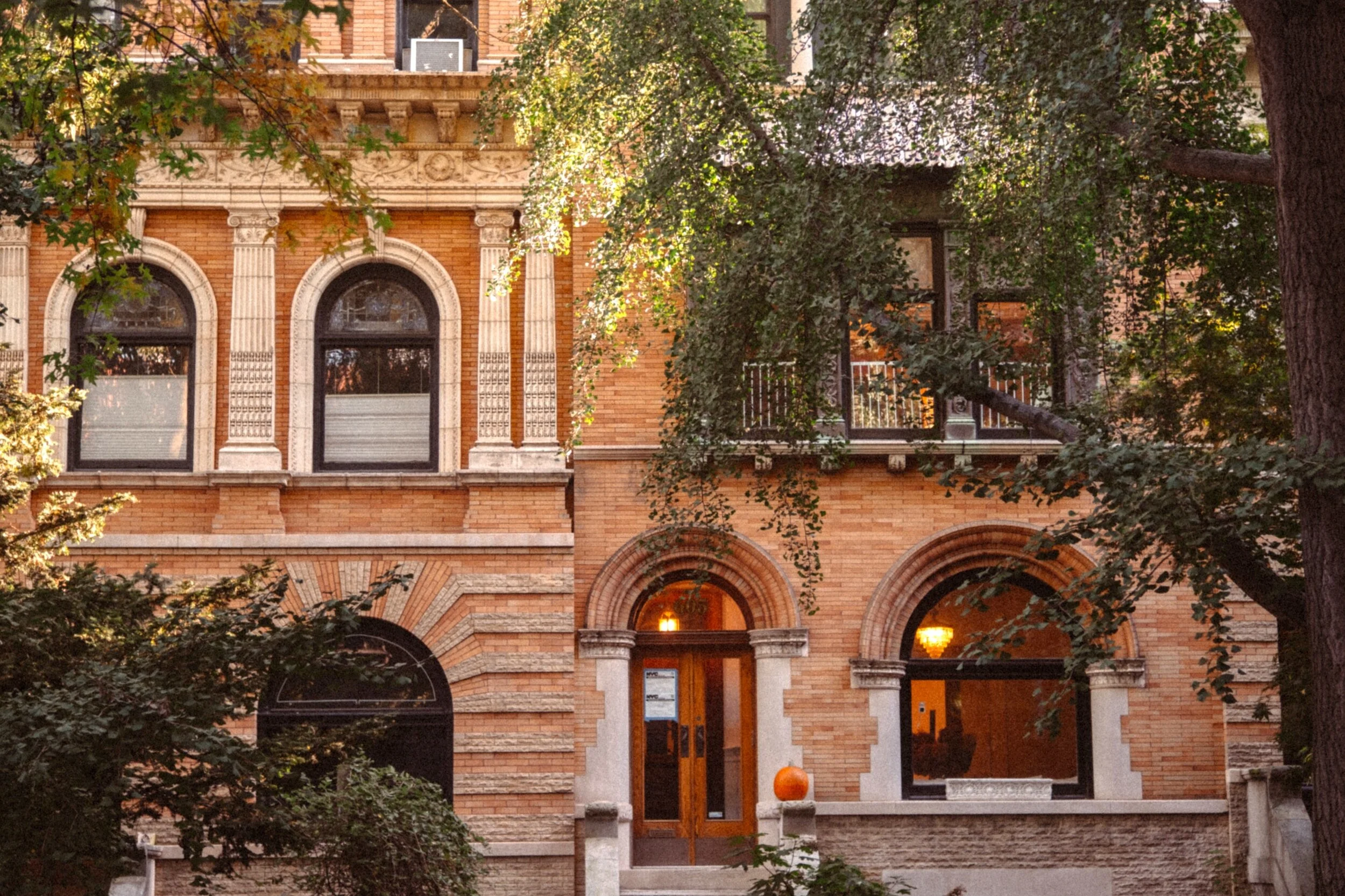
Designing for Eternity: The Architect's Role in Community Legacy
Consider the architect's role in shaping lasting legacies.
I recently had a consultation in a Central New Jersey coastal town, and it brought to mind the stories I'd heard about its past splendor. However, upon visiting a commercial district, I was disheartened to see dilapidated buildings, a stark contrast to the town's once-beautiful community. Amidst this, one building stood out—an elegant structure designed for permanence and longevity, radiating a timeless beauty that felt respectful and integral to the community.
This experience prompted reflection on the disparities between European and American cities. In delving into the dichotomy between European and American architectural approaches, it becomes apparent that the difference extends beyond mere construction methods. It embodies a cultural perspective on the value of longevity and the enduring impact of our built environment on generations to come.
European cities, with their cobblestone streets and centuries-old structures, bear witness to a commitment to enduring design. There, each building seems to tell a story, contributing to a collective narrative that weaves through time. This deep connection to history and community fosters a sense of belonging, as if the buildings themselves are guardians of the shared past.
Conversely, the transient nature of American architecture often reflects a society that tends to prioritize the immediate and the disposable. In our pursuit of progress and innovation, we sometimes overlook the profound impact that our structures can have on the social fabric of our communities. It's not merely about erecting a building but about constructing a legacy that resonates with future generations.
As architects, we play a pivotal role in shaping the physical and cultural landscapes of our surroundings. Each blueprint we create is a brushstroke in the larger canvas of our communities. Hence, it is imperative to consider not only the present utility of a structure but also its enduring significance. A building designed with foresight becomes a bridge between the past, present, and future, fostering a sense of continuity and stability.
This emphasis on permanence doesn't negate the need for innovation. On the contrary, it challenges us to find a harmonious balance between modernity and timelessness. Authentic materials, as mentioned earlier, often possess an intrinsic beauty that matures with age, making them integral to creating structures that stand as testaments to both architectural prowess and societal values.
One of the challenges we face today is the overwhelming influence of corporate marketing on our choices as consumers. Countless companies invest substantial resources in promoting the latest and greatest products, often clouding our judgment with slick advertising. Unlike these products, authentic natural materials that weather with time don't have marketing campaigns working for them. There is no advertising effort from Mother Nature, and yet, these materials often embody a timeless quality that stands the test of time.
In conclusion, as we embark on architectural endeavors, let's transcend the confines of immediacy and consider the lasting imprint our designs will leave on the tapestry of our communities. By embracing the principles of enduring design, we not only contribute to the physical beauty of our surroundings but also play a role in nurturing the collective memory and identity of those who inhabit these spaces for generations to come.
Part 2 - Fees and Value: Investing in Your Legacy Home
Part 2 of our 2-part series on the different types of Architecture firms.
It's important to acknowledge that there may be differences in fees between architects who primarily work with developers and flippers compared to those who specialize in working with homeowners. The variance in fees is primarily due to the extensive time, effort, and personalized attention that architects who work with homeowners invest in understanding their clients' unique needs and aspirations.
Architects specializing in residential projects devote considerable time to building strong relationships with homeowners, engaging in in-depth conversations, and actively listening to their clients' visions. This level of involvement allows architects to truly comprehend their clients' desires and design a home that aligns perfectly with their aspirations. The time spent in learning about the clients and their lifestyle significantly contributes to the overall design fee.
In addition, architects working with homeowners often conduct thorough research to ensure the best solutions for their clients. They explore innovative materials, sustainable practices, and cutting-edge technologies that can enhance the functionality, efficiency, and longevity of the home. This research-oriented approach requires additional time and expertise, which may be reflected in the design fee.
Moreover, architects who specialize in working with homeowners place great emphasis on open communication and ongoing conversations throughout the design process. This ensures that every aspect of the design is carefully considered and refined according to the clients' evolving preferences. These frequent interactions and collaboration contribute to a higher level of client satisfaction but may result in slightly higher fees.
While the fees associated with architects specializing in working with homeowners may be higher compared to architects for developers and flippers, the value they provide is immeasurable. For homeowners seeking to build their legacy homes, the personalized attention, tailored design solutions, and open communication are priceless. By investing in an architect who truly understands and shares your vision, you can create a home that not only meets your immediate needs but also becomes a cherished space for generations to come.
Conclusion:
Choosing the right architect for your home renovation or custom home project is a crucial decision. While architects working with homeowners may have higher fees due to the extensive time spent learning about their clients, researching solutions, and maintaining open communication, the value they provide is invaluable. By investing in an architect who specializes in collaborating with homeowners, you are ensuring a design process that is tailored to your unique preferences, lifestyle, and long-term aspirations. The result is a home that becomes your legacy—a testament to your individuality and a haven for your family for years to come.
Part 1 - Understanding the Difference: Architects for Developers vs. Architects for Homeowners
When it comes to transforming your home into your dream space, the architect you choose can make all the difference.
Introduction:
When it comes to undertaking a home renovation or building a custom home, one of the most critical decisions you'll make is choosing the right architect. Architects play a vital role in transforming your vision into reality, ensuring functionality, aesthetics, and structural integrity. However, not all architects are the same. Some primarily work with developers and flippers, while others specialize in collaborating with homeowners. In this article, we will explore the key differences between these two types of architects and explain why an architect who focuses on working with homeowners may be better suited for your home renovation or new custom home project.
Architects for Developers and Flippers:
Architects who predominantly work with developers and flippers are well-versed in the commercial aspect of the industry. Their expertise lies in creating designs that maximize profitability, meet building codes, and adhere to strict timelines. These architects are often involved in large-scale projects, such as multi-unit residential buildings or commercial developments. Here are a few characteristics of architects who primarily work for developers and flippers:
Emphasis on efficiency and cost-effectiveness: Architects in this domain are accustomed to optimizing space utilization and construction costs. Their main focus is on achieving the desired outcome within budgetary constraints.
Quick turnaround: Developers and flippers often operate on tight schedules to ensure rapid turnover and financial gains. Architects working in this sphere are experienced in delivering designs promptly and efficiently.
Familiarity with regulations and permits: Architects working with developers are well-acquainted with local regulations, zoning laws, and permit processes. They can navigate bureaucratic hurdles efficiently, saving time and reducing potential delays.
Prioritization of market trends: Architects catering to developers and flippers are mindful of current market trends and preferences. They aim to create designs that appeal to potential buyers or tenants, ensuring maximum marketability.
Architects for Homeowners:
On the other hand, architects who specialize in working with homeowners focus on creating unique, personalized spaces that align with individual needs and preferences. These architects prioritize the client's vision, lifestyle, and long-term satisfaction. Here are the advantages of working with architects who specialize in collaborating with homeowners:
Tailored design solutions: Architects for homeowners take the time to understand their clients' desires, requirements, and aspirations. They create custom designs that reflect the homeowners' unique personalities and lifestyles, resulting in spaces that are truly one-of-a-kind.
Collaboration and communication: Homeowners often have strong emotional connections to their homes. Architects specializing in working with homeowners excel at building strong relationships, fostering open communication, and collaborating closely throughout the design process.
Long-term considerations: Homeowners seek designs that not only meet their immediate needs but also provide long-term functionality and comfort. Architects in this field focus on creating spaces that anticipate future growth, changing family dynamics, and evolving lifestyle requirements.
Emphasis on aesthetics: Homeowners value the aesthetic appeal of their living spaces. Architects who work with homeowners are skilled at creating designs that seamlessly integrate style and functionality, resulting in visually stunning homes that reflect the owners' tastes and preferences.
Attention to detail and craftsmanship: Homeowners often appreciate fine craftsmanship and attention to detail. Architects specializing in residential projects work closely with contractors, artisans, and craftsmen to ensure the highest quality of construction and finishes.
Conclusion:
Choosing the right architect is essential to the success of your home renovation or custom home project. While architects for developers and flippers focus on efficiency, cost-effectiveness, and marketability, architects specializing in working with homeowners prioritize personalized design solutions, collaboration, long-term considerations, aesthetics, and attention to detail. By opting for an architect who specializes in working with homeowners, you can ensure that your home renovation or new custom home
The Crucial Difference: Permit Set Drawings vs. Construction Documents
When it comes to hiring an architect for your construction project, understanding the difference between permit set drawings and detailed construction documents is crucial.
When embarking on a construction project, hiring an architect is essential to bring your vision to life. However, it's crucial to understand the distinction between hiring an architect who specializes in permit set drawings only and one who provides detailed construction documents. Both approaches have their merits, but they serve distinct purposes throughout the construction process. In this blog, we'll delve into the differences between these two approaches and explore why detailed construction documents are often the preferred choice.
The Purpose of Permit Set Drawings:
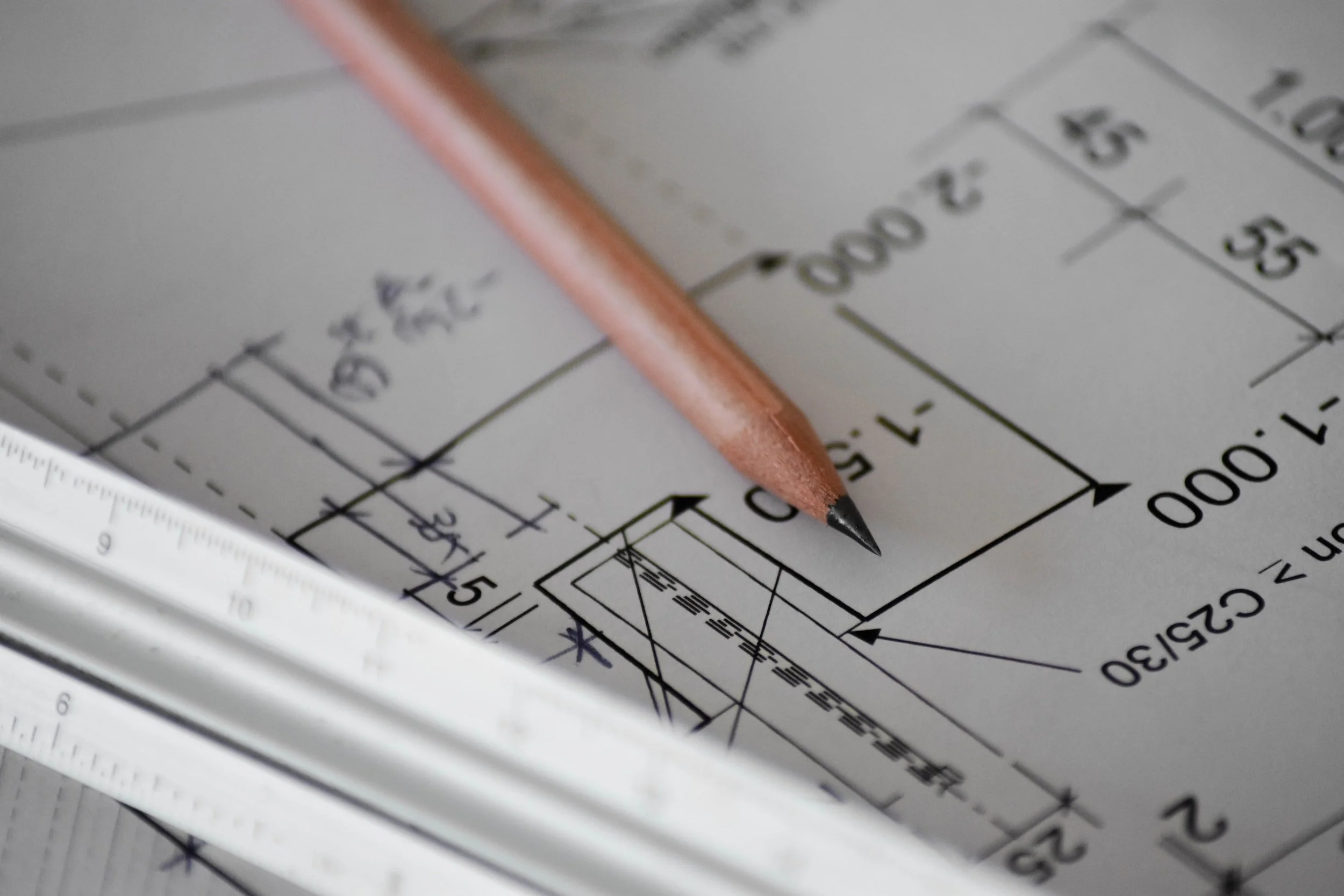
Permit set drawings, also known as permit-ready drawings, focus primarily on meeting the legal and regulatory requirements of the construction project. These drawings are designed to obtain the necessary permits from local authorities, ensuring compliance with building codes, zoning regulations, and other legal considerations. The architect's goal is to provide accurate representations of the proposed project, emphasizing the key aspects necessary for permit approval.
The Importance of Detailed Construction Documents:
While permit set drawings focus on the legal aspects, detailed construction documents take a more comprehensive approach. These documents provide a thorough and precise representation of the project, covering every aspect from structural design to material specifications. The level of detail in construction documents allows contractors to understand and execute the project accurately, minimizing errors, delays, and costly changes during construction.
1. Accuracy and Clarity:
Detailed construction documents provide clear instructions for the contractors and other professionals involved in the project. The precise measurements, specifications, and material requirements leave little room for interpretation, reducing the chances of miscommunication and ensuring a smoother construction process. The accuracy offered by detailed construction documents minimizes the risk of costly mistakes, enhances coordination, and facilitates efficient construction.
2. Cost Control:
Construction projects can be complex, and any discrepancies or errors can lead to significant cost overruns. By investing in detailed construction documents, you provide the contractors with a clear understanding of the project's scope, reducing the chances of unexpected surprises during construction. This proactive approach helps control costs by enabling accurate material procurement, minimizing wastage, and streamlining the construction timeline.
3. Quality Assurance:
Detailed construction documents act as a quality control tool, ensuring that the project meets the desired standards. The detailed specifications and drawings allow architects, contractors, and subcontractors to identify any potential issues or conflicts before construction begins. This enables proactive problem-solving, prevents rework, and ensures that the final result aligns with your expectations.
4. Collaboration and Communication:
Comprehensive construction documents facilitate effective collaboration between all parties involved in the project. Architects, engineers, contractors, and subcontractors can work together seamlessly, as the detailed documentation acts as a common reference point. The shared understanding of the project's requirements reduces delays, promotes teamwork, and helps achieve a successful outcome.
Conclusion:
While permit set drawings are crucial for obtaining the necessary approvals, detailed construction documents offer significant advantages throughout the construction process. They provide accuracy, clarity, cost control, quality assurance, and enhanced collaboration, resulting in a smoother and more successful construction project. Investing in detailed construction documents demonstrates a commitment to quality and precision, ensuring that your vision is brought to life with excellence.
When hiring an architect, it is essential to consider your project's scope and requirements. By opting for an architect who provides detailed construction documents, you empower yourself with a valuable tool that enhances communication, reduces costs, and ultimately leads to a successful construction endeavor.
The Advantages of Hiring an Architect-Led Design-Build Firm for Your Residential Project
Embarking on a residential construction project can be a daunting task, but hiring an architect-led design-build firm can simplify the process and offer a range of advantages.
Embarking on a residential construction project is an exciting endeavor, but it can also be a complex and challenging process. One crucial decision you'll need to make is whether to hire a traditional architect and a separate contractor or opt for an architect-led design-build firm. In recent years, the design-build approach has gained popularity for its streamlined and integrated nature. In this blog, we will explore the advantages of hiring an architect-led design-build firm for your residential project.
1. Single-Point of Contact:
One of the significant advantages of working with an architect-led design-build firm is having a single point of contact throughout the entire project. By combining architectural design services with construction management, you eliminate the need for multiple parties involved in the process. This streamlined communication and coordination result in fewer misunderstandings, improved efficiency, and faster decision-making.
2. Seamless Integration of Design and Construction:
With a traditional architect-contractor arrangement, the design and construction phases often operate as separate entities, leading to potential conflicts and delays. However, with an architect-led design-build firm, the design and construction teams work collaboratively from the project's inception. This close collaboration ensures a seamless integration of design and construction, minimizing conflicts, and allowing for real-time problem-solving.
3. Cost and Time Efficiency:
Opting for an architect-led design-build firm can provide significant cost and time savings. Since the design and construction teams are under one umbrella, they can work together to develop solutions that are not only aesthetically pleasing but also cost-effective. This collaboration ensures that the design aligns with the project budget from the early stages, avoiding costly design changes or surprises later on. Moreover, the integrated approach eliminates the potential delays caused by bidding processes and allows for a more efficient construction schedule.
4. Enhanced Communication and Collaboration:
Clear and effective communication is crucial for the success of any construction project. Architect-led design-build firms foster improved communication and collaboration among the team members, including architects, engineers, contractors, and subcontractors. With everyone involved from the start, they share a common vision and have a better understanding of project goals. Regular meetings and an open dialogue enable swift decision-making, early problem identification, and effective solutions.
5. Design Flexibility and Customization:
When you hire an architect-led design-build firm, you benefit from the expertise of both architects and builders working together. This collaboration allows for more design flexibility and customization options. The architects can create designs that consider construction feasibility and budgetary constraints from the beginning. As a result, you have a better chance of turning your vision into reality while ensuring that it aligns with practical considerations.
6. Quality Assurance:
Architect-led design-build firms are committed to delivering high-quality results. By integrating design and construction, they can oversee the entire process, ensuring that the design intent is faithfully executed. The architects act as project managers, closely monitoring construction activities and quality control. This comprehensive oversight minimizes the likelihood of errors or deviations from the design, resulting in a well-executed and cohesive final product.
Conclusion:
Choosing an architect-led design-build firm for your residential project offers numerous advantages, including streamlined communication, seamless integration of design and construction, cost and time efficiency, enhanced collaboration, design flexibility, and quality assurance. With a single point of contact overseeing the entire process, you can achieve your desired outcome while minimizing potential conflicts and delays. Ultimately, this approach empowers homeowners to have a more positive and satisfying experience during their residential construction journey.

Understanding Architecture Fees for Your Residential Project
Embarking on a residential project is an exciting endeavor, filled with endless possibilities and the chance to create your ideal living space.
Embarking on a residential project is an exciting journey that involves turning your vision into reality. To bring your dream home to life, it's essential to work with an architect who can provide professional expertise and guidance. However, it's crucial to understand the various architecture fees associated with such projects to ensure a transparent and mutually beneficial working relationship. In this blog, we will explore the architecture fees you can expect for a residential project, helping you navigate this aspect of the design process with confidence.
1. Initial Consultation:
Most architects offer an initial consultation free of charge or for a nominal fee. This meeting serves as an opportunity for you to discuss your project, share your ideas, and understand the architect's approach. The architect will provide preliminary advice, evaluate the feasibility of your project, and outline their services. It's essential to use this consultation to determine if the architect's style and expertise align with your vision and needs.
2. Pre-Design Phase:
Once you've decided to move forward with an architect, the next phase involves thorough research and planning. During this stage, the architect will gather information about your requirements, conduct site visits, assess local zoning and building regulations, and perform any necessary surveys. The fees for this pre-design phase typically range from 5% to 15% of the total architecture fee, depending on the complexity of the project.
3. Schematic Design:
After the pre-design phase, the architect will develop schematic designs that capture the overall concept of your project. This includes floor plans, rough sketches, and preliminary material selections. The fees for the schematic design phase typically fall between 10% and 20% of the total architecture fee.
4. Design Development:
Once you approve the schematic designs, the architect will proceed to the design development phase. Here, they will refine the initial concepts, incorporating more specific details such as structural systems, plumbing, and electrical layouts. The fees for this phase usually range from 10% to 20% of the total architecture fee.
5. Construction Documentation:
During this critical phase, the architect prepares detailed construction documents that serve as a guide for the builders and contractors. These documents include technical drawings, specifications, and other necessary information to obtain permits and execute the project. The fees for this phase generally range from 20% to 40% of the total architecture fee.
6. Bidding and Negotiation:
Some architects offer additional services such as assisting with the bidding process and contractor selection. This involves evaluating bids from different contractors, analyzing their proposals, and providing recommendations. The fees for this phase can vary, ranging from a fixed percentage of the construction cost (typically 2% to 5%) or an hourly rate.
7. Construction Administration:
Once the construction begins, the architect will oversee the project to ensure that the design intent is faithfully executed. They will conduct site visits, review progress, answer contractor queries, and address any unforeseen challenges that may arise. The fees for construction administration can vary from 10% to 20% of the total architecture fee.
Conclusion:
Understanding the architecture fees for a residential project is crucial for maintaining transparency and managing expectations. Remember that the percentages mentioned in each phase are approximate and can vary based on the complexity and scope of your project. It's essential to have a clear agreement with your architect regarding the fees and services provided to avoid any misunderstandings later on. By collaborating closely with your architect and discussing the fees upfront, you can ensure a successful and satisfying outcome for your residential project.
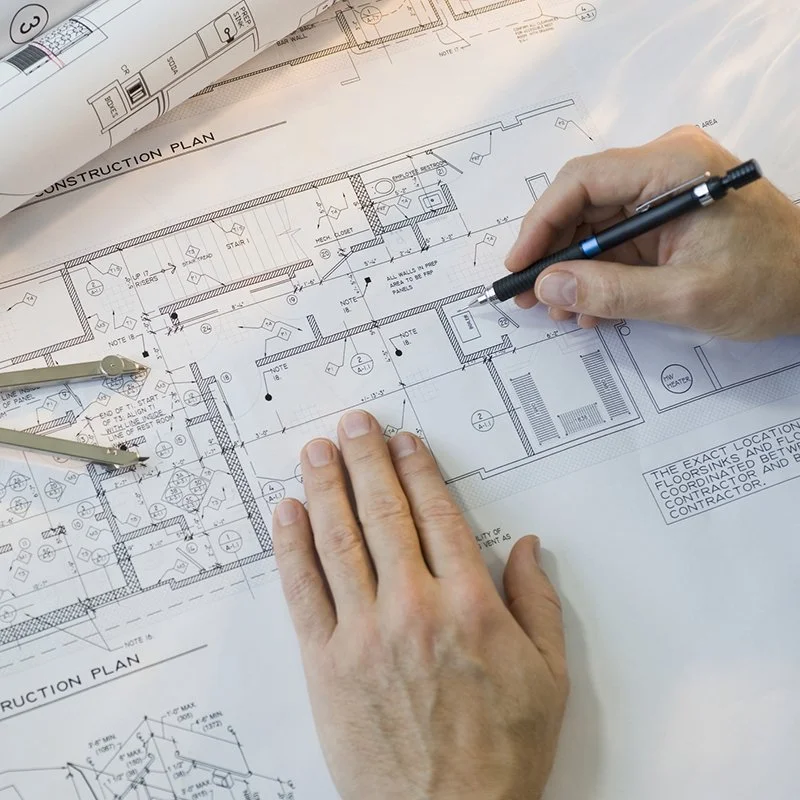
Should You Hire An Architect?
“It’s a simple four walls and a roof. Why do I need an architect? What could possibly go wrong?”
That sounds like the concept for a hilarious two-hour comedy, but you don’t have to write that script with the house you’re building or renovating.
Fact is, even smart, well-intentioned people sometimes doubt the need for an architect on a project. Often that’s because they don’t fully understand, or haven’t fully considered, the architect’s role.
So, for the debut of “Tips in 2,” NJ HOME’s ongoing series of roughly two-minute interviews with industry experts, we team up with architect Rosario Mannino of RS Mannino in Rutherford to provide information that will help you make the best possible decision about retaining an architect when building (or renovating) the house you’ve always wanted.
Architects, of course, are academically trained and licensed professionals who create the plans and technical drawings for your home or building. Because you likely spend the majority of your time indoors, you’ll want an expert to consider your needs and your lifestyle to draft plans based on your vision. (Of course, an architect has a vision too, but rather than overriding yours, he or she can in many cases use it to help you formulate a clearer, more achievable idea of what you want—and bring it to life in the plans.)
Still, when you hire an architect, you’re getting more than someone who prepares the plans for your home. He or she will be part of a team of professionals working on your project from start to finish. One team member, a builder, will follow the drafted plans and ensure that your project stays on budget and is up to code, while an architect and interior designer, another expert, work together to understand and execute your goal as the homeowner.
“For example, an architect can be designing a room and be thinking about the view, but we also have to consider how to control the direct sunlight,” Mannino says. “We might have large, expansive glass, so [the interior designer thinks] about window treatments.”
Architects can also serve as problem solvers through the course of a build. They go through rigorous training and education to come up with creative solutions when things go awry. Because “there are always surprises that arise during construction,” an architect can make sure work stays on the course, says Mannino.
“Drawings are never 100 percent complete—there’s always some design intent that has to be filled in,” he adds. “An architect can fill in the design intent during construction.”
So how do you know which architect is best for your team? Be sure to watch the video above, in which Mannino explains the qualities you should look for when hiring an architect as well as the fees and work you can expect when retaining one. Then, rather than feeling like the punchline in a Hollywood comedy, you’ll be a tad wiser—a homeowner who’s ready to live happily ever after.
Fresh Ideas to Inspire Your Next Kitchen Design
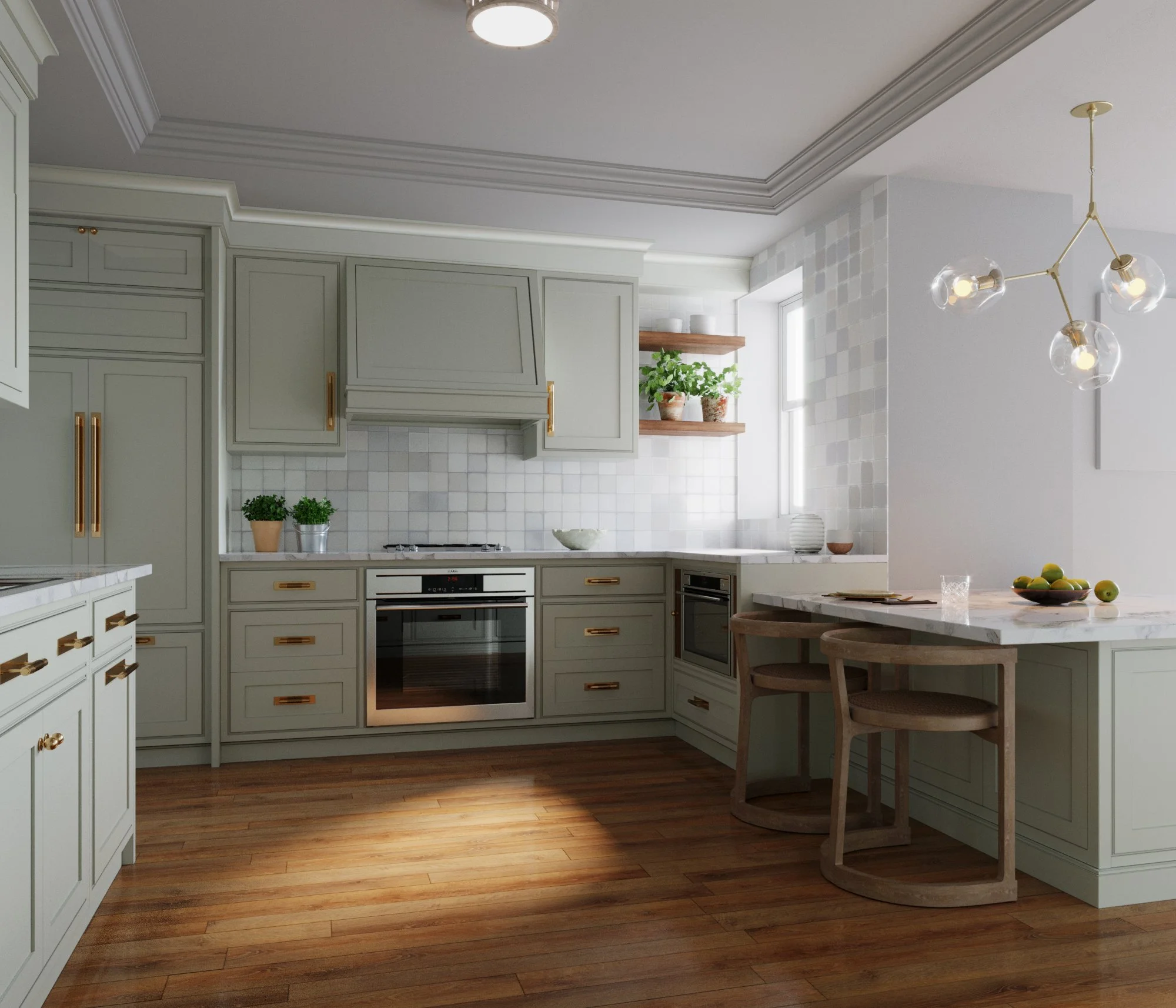
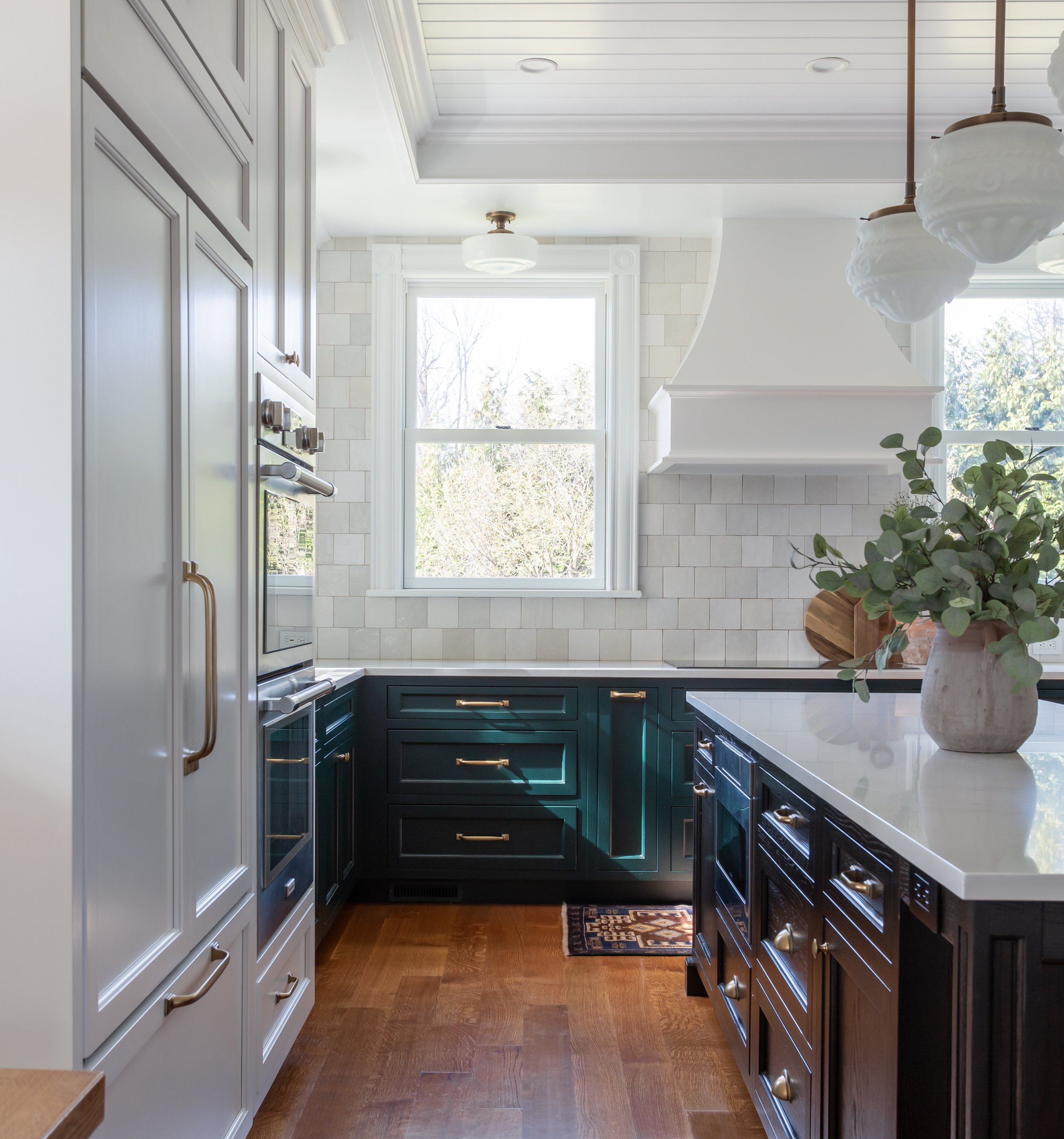
Kitchen trends we're seeing include bigger windows with more natural light, less upper cabinets in the main kitchen and larger/ more storage cabinetry in the walk-in pantry. On some projects, we're calling them "service kitchens" instead of pantries, since it allows for more of the messier cooking while still maintaining a clean kitchen for entertaining.
We're also designing more architectural elements in the kitchen ceiling. Previously, ceilings were left untouched as the focus was on the architectural elements of the kitchen cabinetry, but now clients are willing to spend more on a kitchen ceiling focal point, whether it's a beamed ceiling, or even a coffered ceiling.
Many of our clients are requesting combi ovens-- that's a steam and convection oven in one. Steam cooking is healthier, and most foods cook faster in this mode yet you still have the convection option for simple baking and cooking.
Small Kitchen Design Ideas to Maximize Space Q&A Interview with Architect Rosario Mannino, AIA
Q: What trends are you seeing in small urban kitchen design?
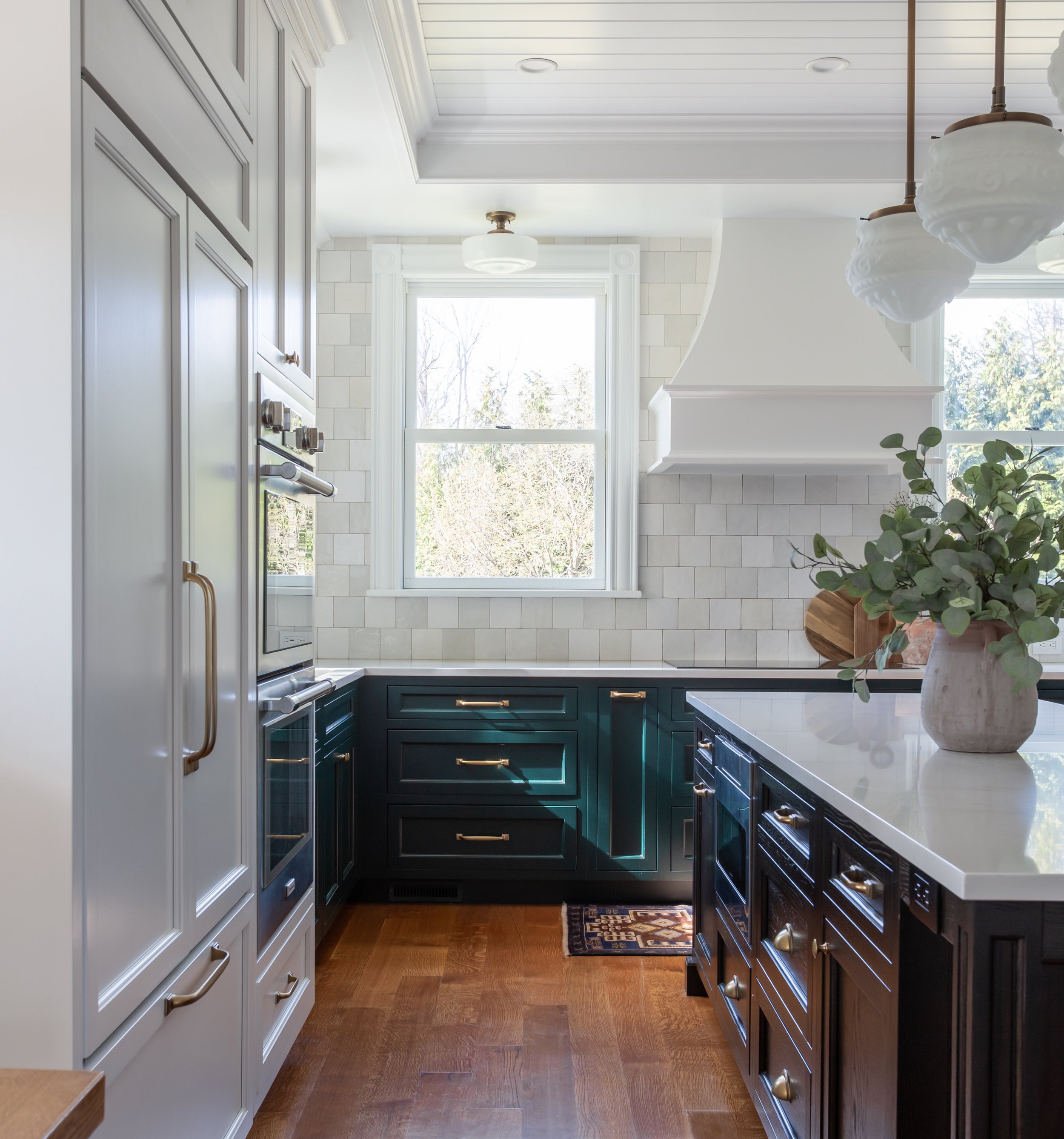
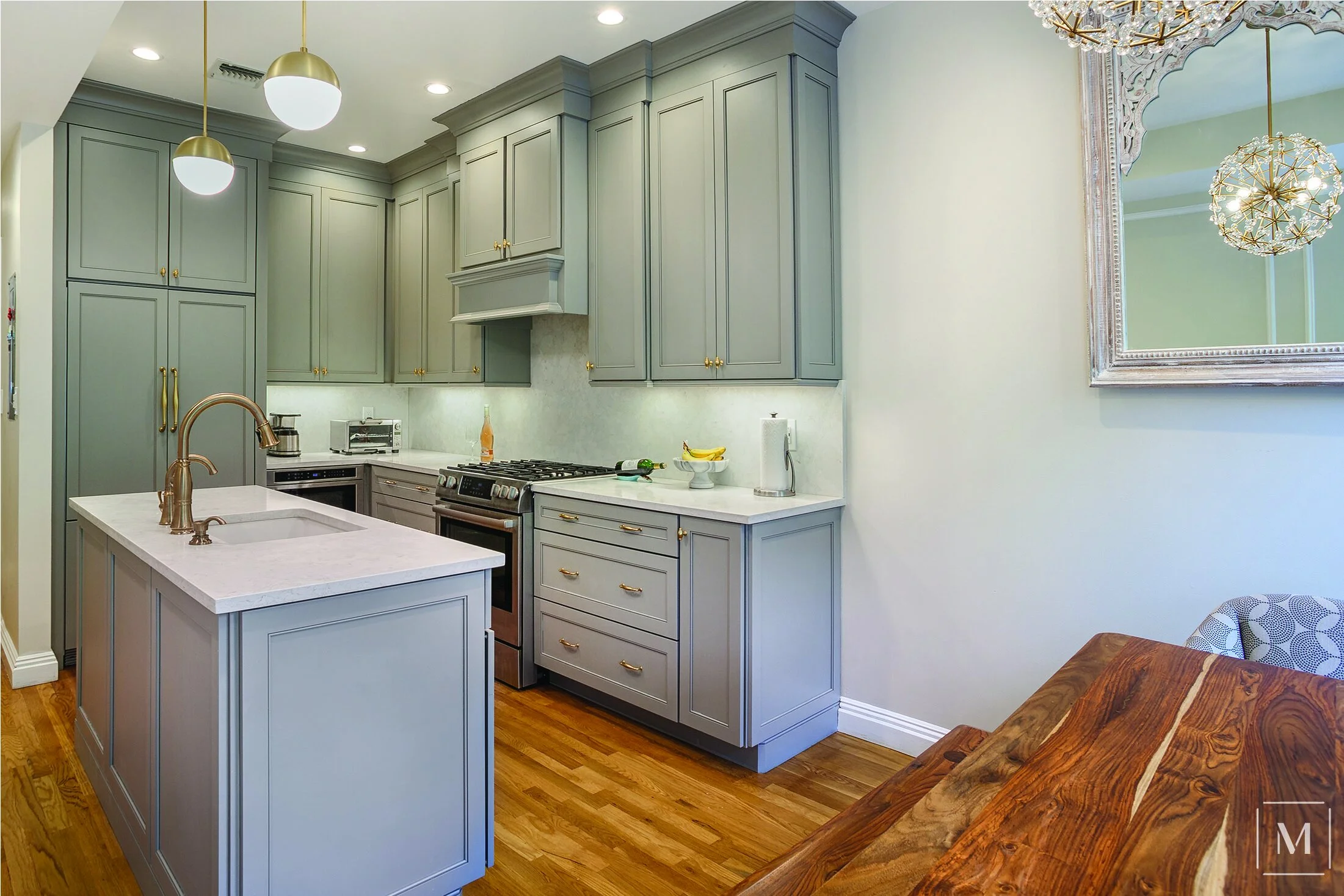
RM: Darker colors. In a large kitchen it is difficult to overcome the increased amount of dark-colored cabinets whereas in smaller kitchens our clients typically allow us to have more fun, so we tend to use darker, more dramatic finishes to make small kitchens pop.
Q: What are some solutions to make galley kitchens functional?
RM: Functionally speaking, galley kitchens work very well. They are very efficient in terms of space planning and cooking. If you have the height and space is limited (which is typically the case in a galley kitchen) we recommend the wall cabinets run all the way up to the ceiling so you can use the upper storage for seasonal ware. Every inch counts. In a traditional galley kitchen we recommend designing 2 stacked wall cabinets. It has a great looking proportion to it.
Q: How do you help clients decide whether to maximize their existing small kitchen or open up the space and add an island?
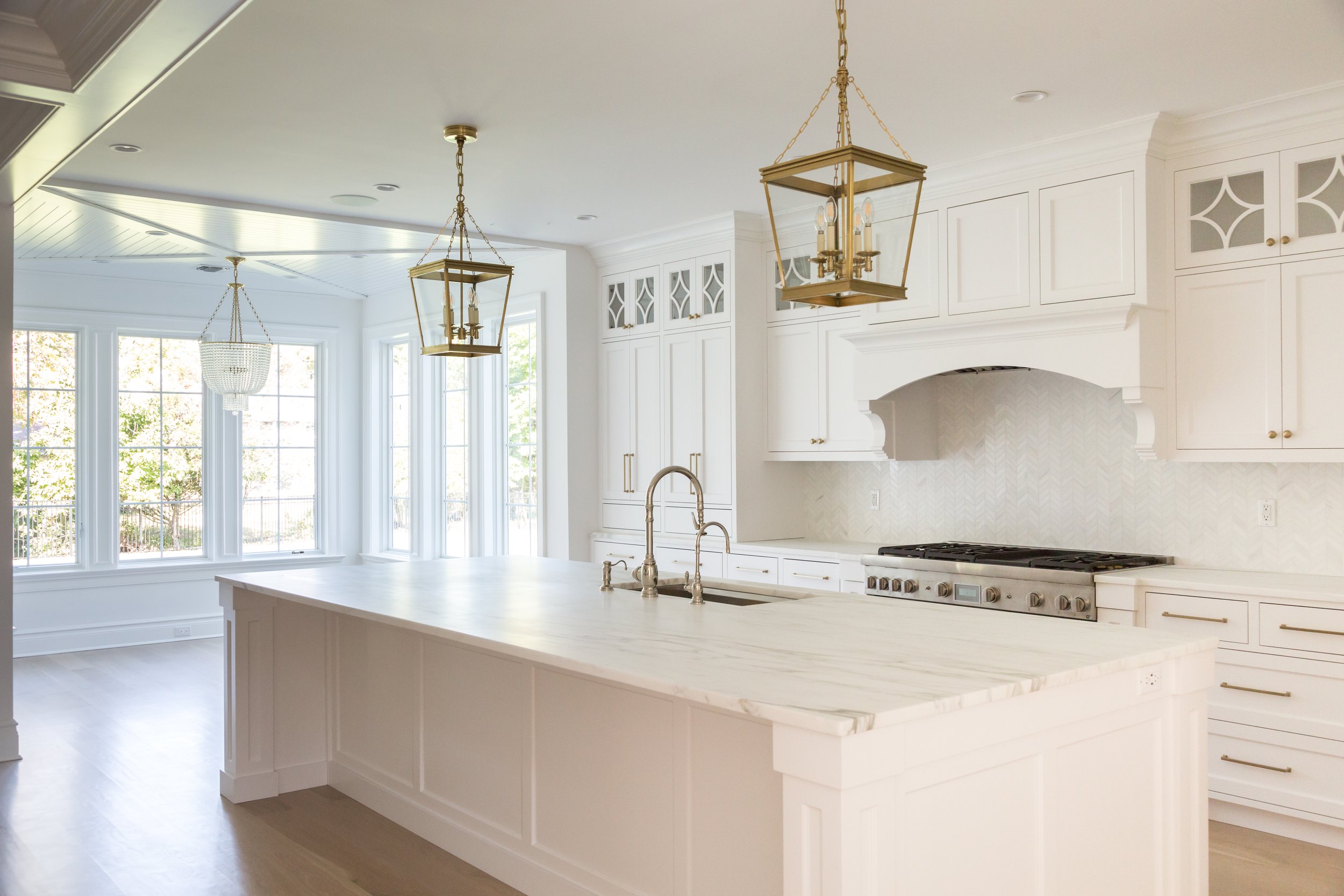
RM: Typically people can't afford to lose the cabinetry/ storage space. Openness feels good but it's a balancing act. Depending on the size of the other adjacent spaces we usually recommend keeping the storage and will extend additional cabinetry to other parts of the home and locate the entertaining area elsewhere.
Q: Do galley kitchen projects present design challenges?
RM: Honestly, I would say galley kitchens are easier to design. Most people who can afford the space demand an "open layout" but then we have limited space for appliances and wall cabinets. Sometimes constraints work in our favor, such as in a galley kitchen.
Architect-Led Luxury Townhouse Design & Renovation Solutions
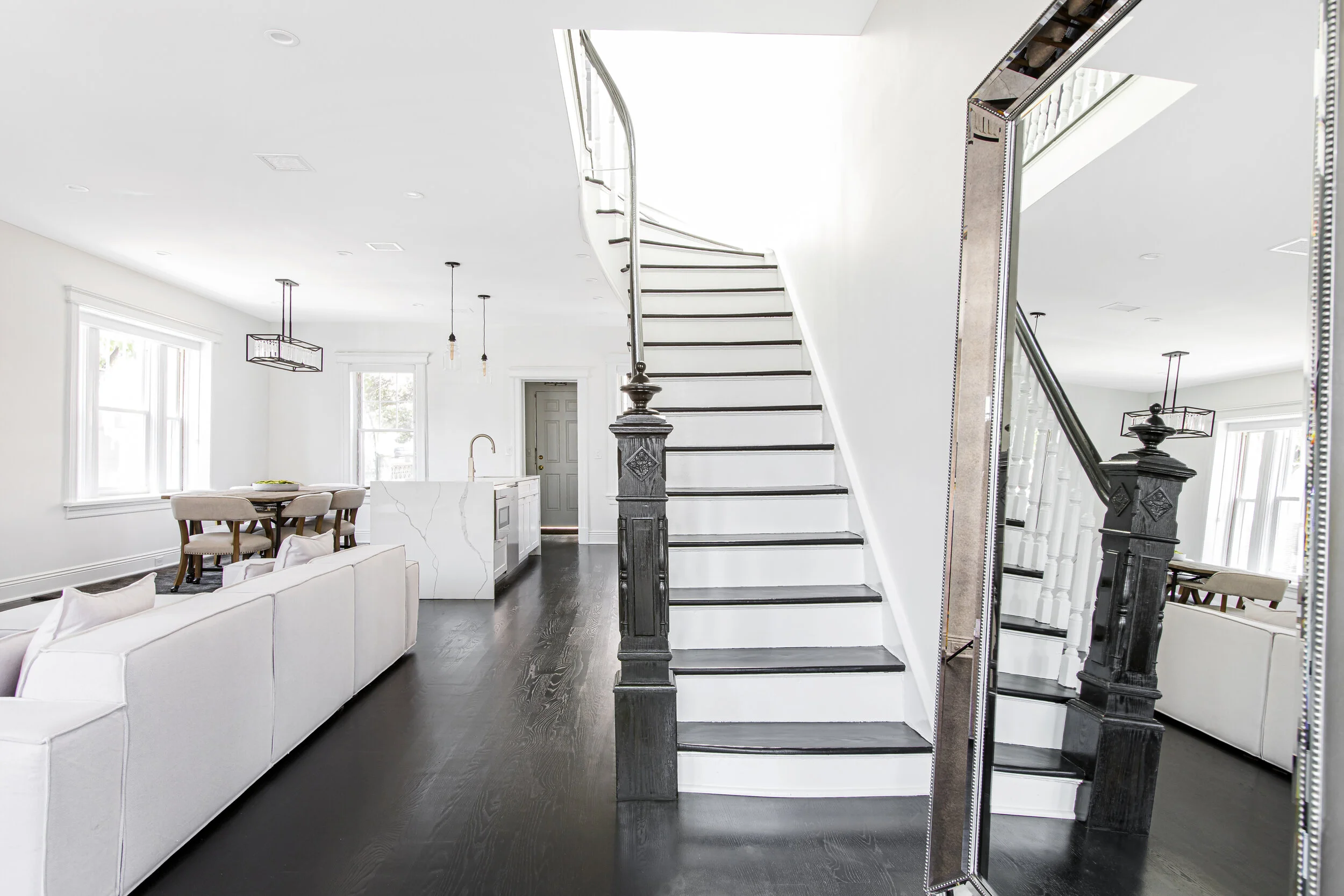
Designing or renovating a townhouse in 2021 is the perfect way to get the most out of your living space. A successful redesign elevates your home and provides a luxury look and feel. The best way to ensure a smooth project from start to finish is using an architect-led firm. These businesses are not only experts in townhouse design, but their internal collaboration and communications with clients make them the perfect choice for these types of projects.
Why You Should Contact an Architect-Led Firm for Townhouse Design and Renovation
Designing a townhouse is a transformative process that deserves special attention and care. It requires careful planning and high levels of experience to create your dream home. The benefits of hiring an architect-led design-build firm for this project are an unmatched attention to detail, a dedicated team, and collaboration not found anywhere else. This level of communication between the architect and builder continues through the construction and design process.
In addition to the collaboration between the architect and builder, this relationship also provides better adherence to the local city and building codes. The experienced team allows you to relax with the knowledge that the build is following architectural best practices. These multifaceted architecture and design firms also offer numerous helpful services to make your new home a reality.
RS Mannino Architects + Builders offers a highly organized, fully integrated process that supports clients’ needs and provides helpful updates before and during construction. With a history of designing beautiful townhouses, trust us to provide an amazing experience from start to finish. We’re known for quality craftsmanship and attention to detail that brings luxury architectural designs to life.

Interested in hiring an experienced architect-led design-build firm to design or renovate your luxury townhouse? Contact RS Mannino today for projects in the New Jersey and New York City area.
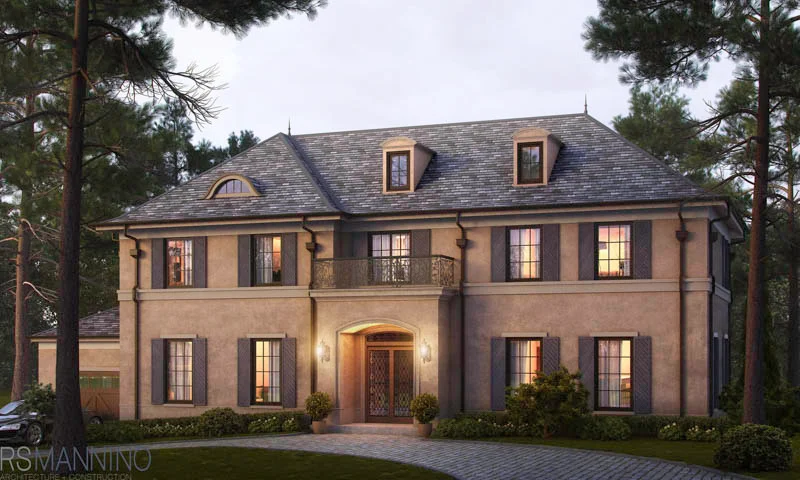
RS Mannino Featured in Home Builder Digest
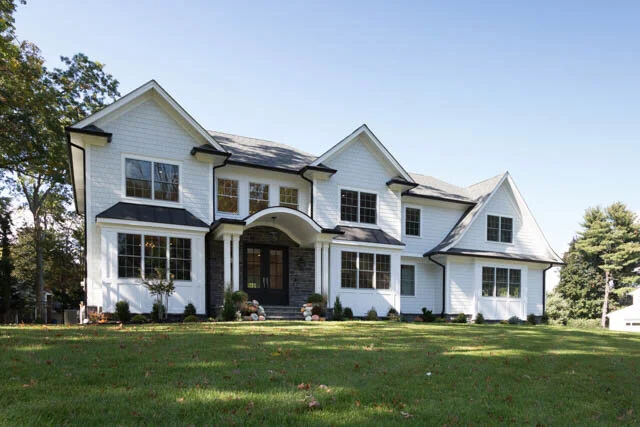
RS Mannino is pleased to be featured in the following Home Builder Digest articles:
The 5 Best Residential Architects in Old Tappan, New Jersey
The 5 Best Custom Home Builders in Old Tappan, New Jersey
The 6 Best Custom Home Builders in Demarest, New Jersey
The 5 Best Residential Architects in Closter, New Jersey
The 9 Best Custom Home Builders in Harrison, New York
The Best Modern Home Builders in the United States
The Best Residential Architects in New Jersey
To learn more about our work, visit the press page or view our portfolio of houses, mixed-use residential buildings, or apartments and townhouses!
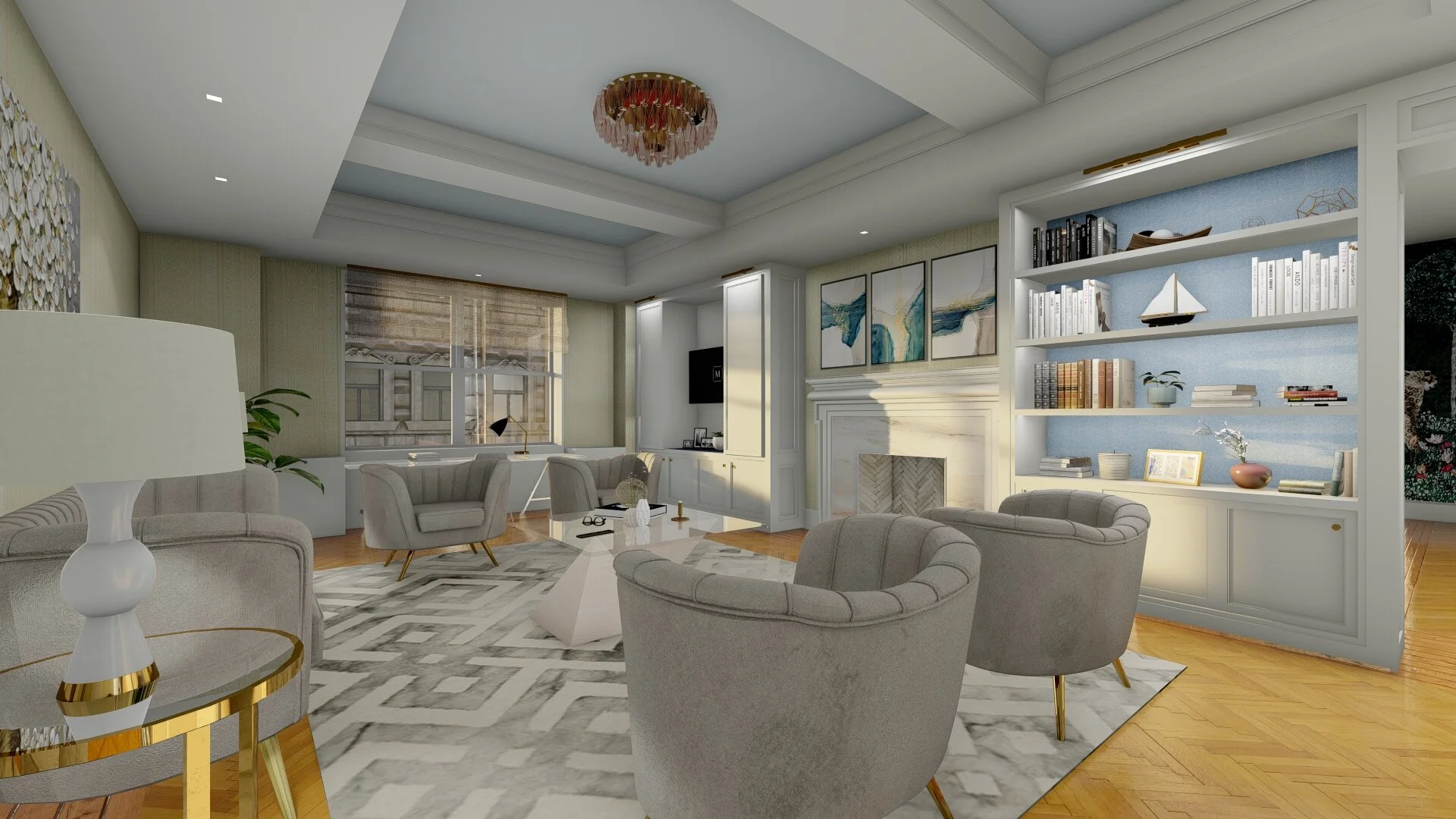
What to Consider in a Luxury Apartment Design or Remodel
The demand for luxury apartment design is high in 2021, making this year the ideal time to remodel or design the perfect pied-a-terre. When starting the process, there are many components to consider for a successful design and build process. From the research process to the final touches, follow these tips to get the most out of your next luxury apartment design.
Decide on a Location and Budget
Before reaching out to a firm or dreaming about the must-have features, lay the groundwork for your luxury design or remodel. This involves important details including the location of new construction, an all-encompassing budget, and the overall interior architecture and design of your ideal apartment. Many design-build firms can assist with the latter, but having some inspiration for your luxury apartment design beforehand allows both parties to start on the same page.
There's a renewed interest among consumers for luxury apartments across New Jersey and New York City.
Start with a Vision
Setting expectations at the start leads to a more enjoyable process once the engagement begins. In the market to renovate an existing apartment? Browse other luxury apartment renovations to better understand what the best design-build firms in your area are capable of. Look for established and accomplished architecture-led firms that have experience with similar projects. This ensures your project comes to life the way you’re envisioning it.
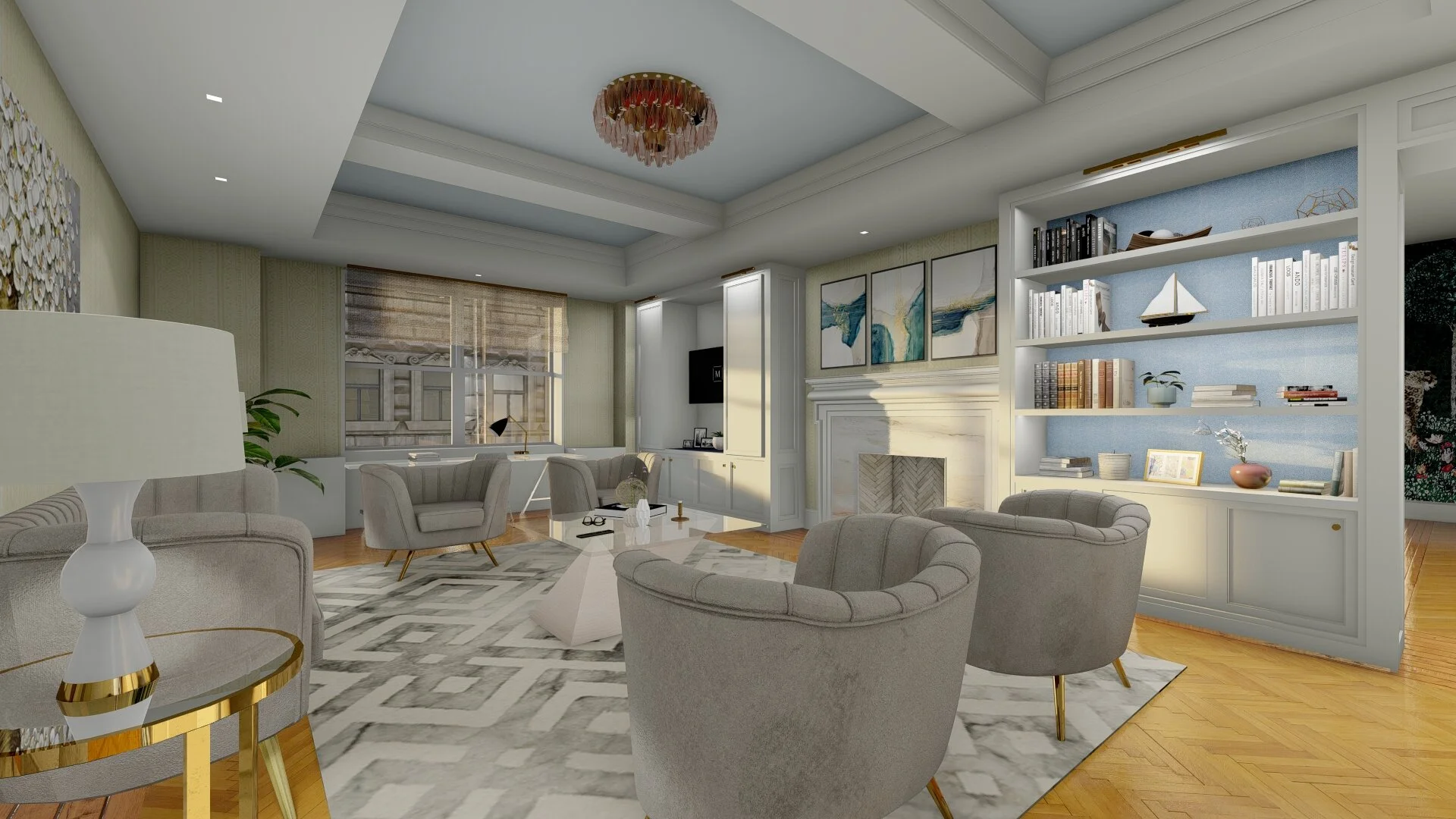
Choose the Right Firm
The process from initial concept to construction is always easier to follow when you’ve picked the right firm. There are many reasons to go with an architect-led design-build firm, but the streamlined process should be one of the biggest. Having an all-in-one firm manage your project from start to finish allows you to stay in the loop with progress and changes as they happen. Working with a single firm as opposed to two provides easier communication with the architect and an overall more productive conversation.
A professional architect-led design-build firm will ensure design integrity, follow all local and building codes, provide useful insights, and maintain strong communication. Architect-led design-build firms like RS Mannino partner with the best interior designers in the NY Metro area to complement their architectural design.
Interested in hiring an experienced architect-led design-build firm to design or remodel your luxury apartments? Contact RS Mannino today for projects in the New Jersey and New York City area.
RS Mannino is Hiring a Project Architect
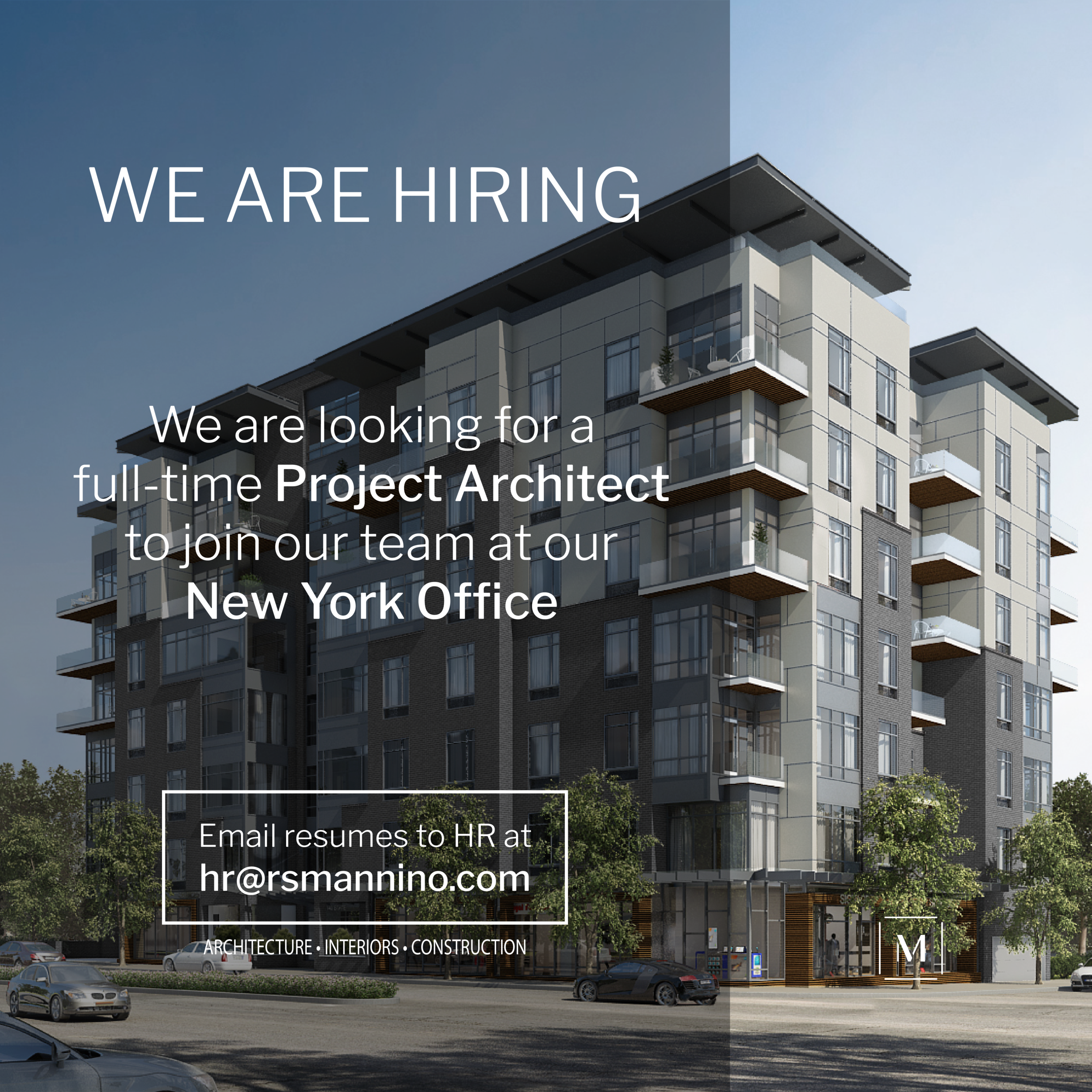
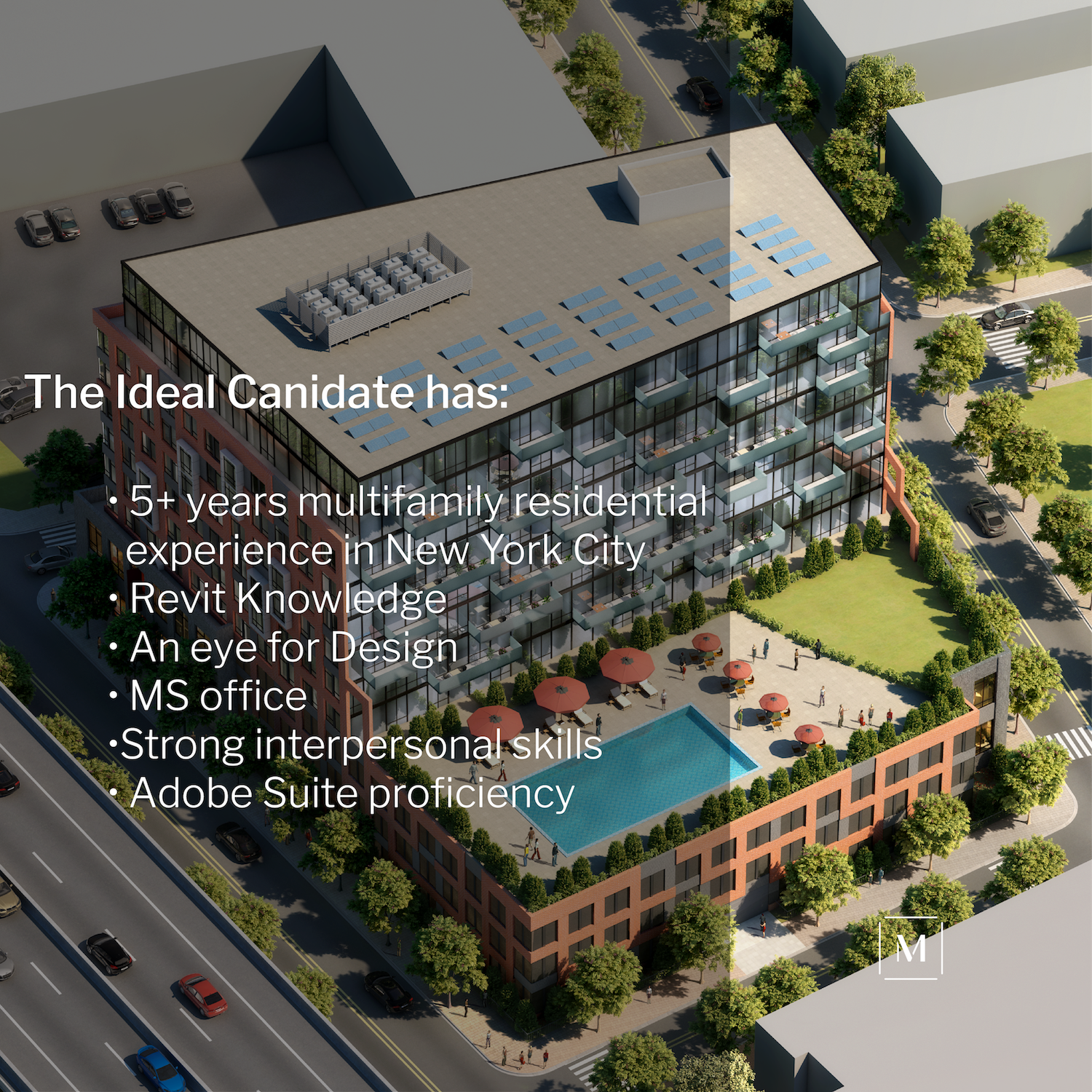
RS Mannino Architects + Builders is Hiring! We are looking for a full-time Project Architect to join our team in our New York office. Email resumes to hr@rsmannino.com.
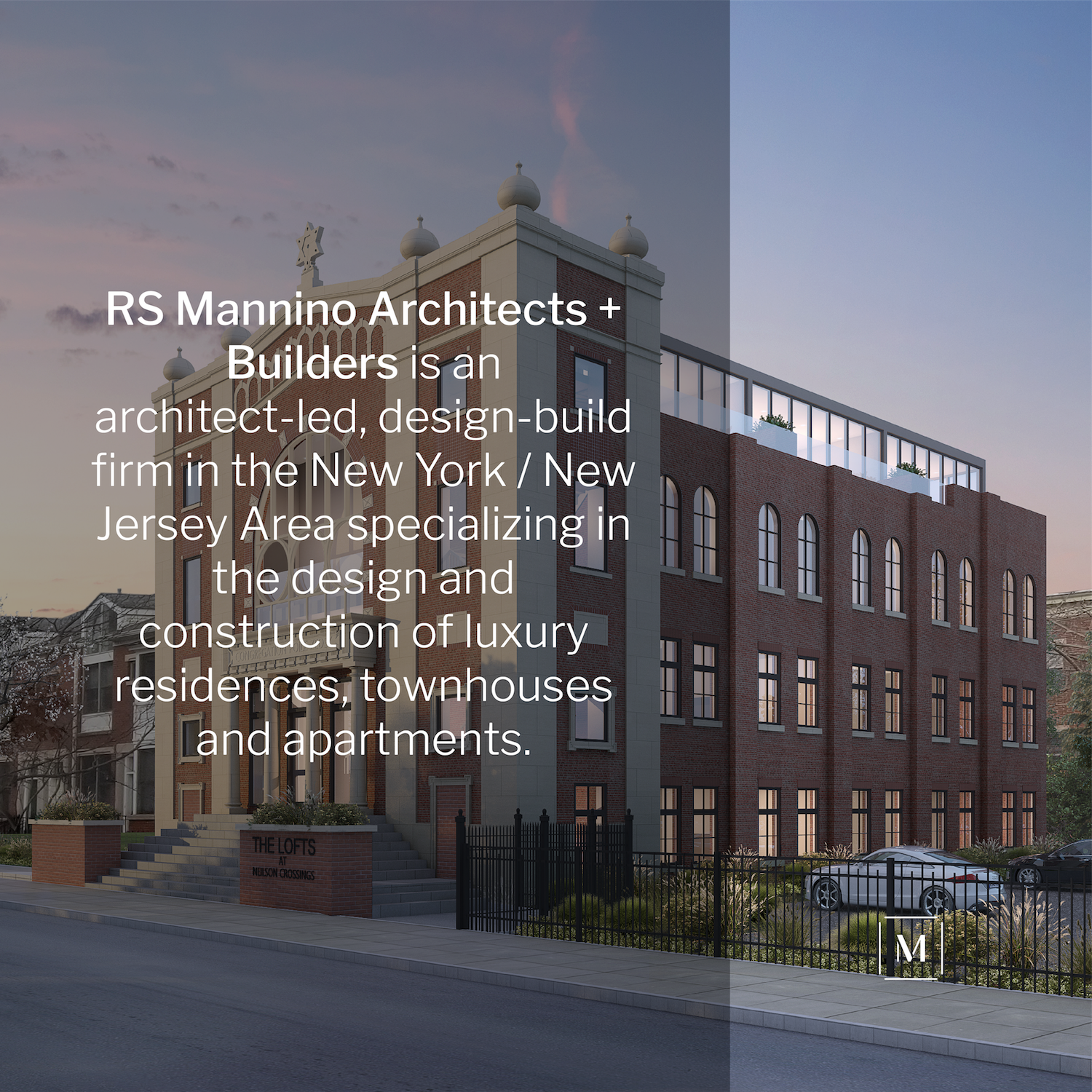
Want to work at an award-winning architecture firm? RS Mannino is an architect-led design-build firm servicing New York City and New Jersey. In this full-time position, you’ll work with an incredible team to oversee and guide projects to completion.
Take a look through our architecture portfolio for examples of our work.
Select RS Mannino Architects + Builders for Apartment Design
The best professional apartment design combines the highest design build standards, experience, and beautiful architecture. With the increasing popularity of apartment living, luxury apartments are more in demand than ever. If you want to get the most out of apartment design, choosing the right firm is crucial. That’s where RS Mannino Architects & Builders comes in.
RS Mannino is an architect-led design-build firm operating in the greater New York Metropolitan area and northern New Jersey. With a portfolio of luxury apartment designs and editorial features in Design NJ, Home Builder Digest, Martha Stewart Living, and more, it’s hard to find a more qualified team.
Why Select RS Mannino Architects + Builders for Apartment Design?
We know you have choices when selecting an architect and builder for your high-end projects in NYC & Northern NJ. When you combine proven experience, beautiful interiors and savvy project management, you attain the perfect living space. We offer a high level of design, quality craftsmanship, project management, and construction services from groundbreaking to completion.
RS Mannino operates using high standards for every design-build project. From the initial consultation to architecture plans to designing the apartment to the building phase, you will be satisfied with the process. RS Mannino employs some of the top designers and architects in New Jersey, so you’ll be working with experienced and trusted professionals.
Designing and building luxury apartments requires a carefully curated architectural design and builder team. In addition to the high quality of work produced by one of the best design-build firms in your area, RS Mannino also focuses on safety and durability while still maintaining the luxury look and feel of the apartment designs. As a local firm, their architects are experienced in following local building codes to accomplish the project in the safest way possible. Additionally, RS Mannino partners with the best interior designers in the NY Metro area to complement their architectural design. Your design and project management team has been carefully selected to align with your design aesthetics and enhance your luxury living space.
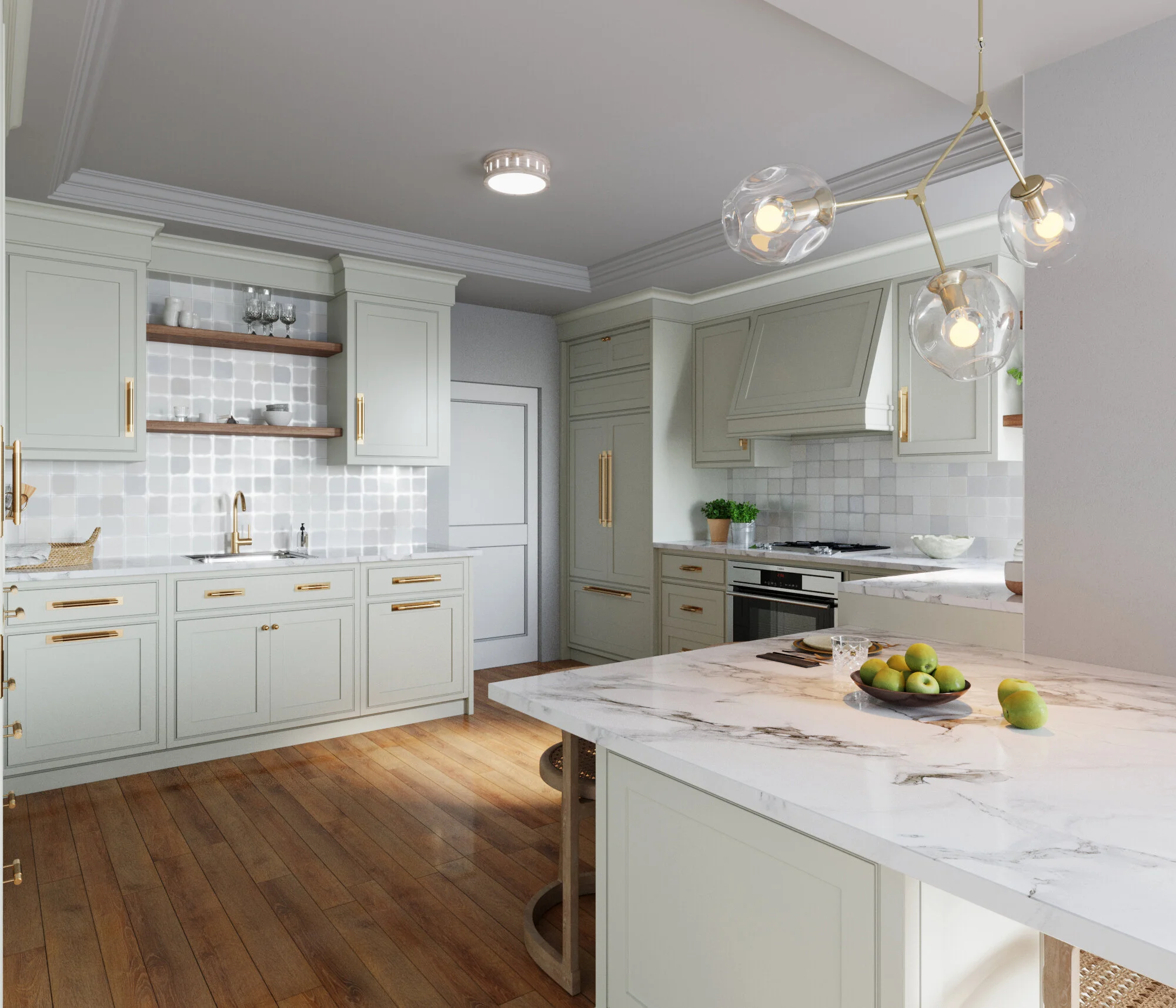
Interested in hiring an experienced architect-led design-build firm to create your luxury apartments? Contact RS Mannino today for projects in the New Jersey and New York City area.