The Custom Home Design Process Explained: From First Sketch to Move-In
By RS MANNINO – Architect-Led Design Build
Designing and building a custom home is one of the most complex—and consequential—undertakings a homeowner can pursue. Unlike purchasing an existing property or working from a predefined plan, a custom home unfolds through a structured, multi-phase process that integrates design, technical coordination, regulatory approval, and construction execution.
For homeowners considering a custom residence in New Jersey, understanding this process in advance is essential. Many of the challenges associated with custom homes stem not from the work itself, but from unclear expectations about how the work unfolds, when decisions are made, and who is responsible for guiding them.
This article explains the custom home design process from beginning to end—from the first conceptual sketches through construction and final occupancy—offering clarity into what homeowners should expect at each stage and why an architect-led design-build approach often results in a more cohesive and predictable outcome.
⸻
Phase 1: Vision, Site, and Feasibility
Every successful custom home begins with alignment. Before architectural form is explored, the foundational parameters of the project must be clearly understood.
This initial phase typically includes:
Lifestyle goals and long-term use considerations
Site evaluation, including zoning, setbacks, FAR, easements, and topography
Preliminary budget discussions and feasibility analysis
Identification of municipal, environmental, or logistical constraints
In New Jersey, zoning ordinances and planning requirements vary significantly from town to town. Early understanding of these conditions helps prevent redesign, delays, and budget misalignment later in the process.
An architect-led team uses this phase to establish clarity before creativity—ensuring that scope, budget, and site realities are aligned before design begins in earnest.
⸻
Phase 2: Conceptual Design and Architectural Direction
With the project parameters defined, the process moves into conceptual design. This phase establishes the home’s overall architectural direction and spatial organization.
Conceptual design typically includes:
Massing studies that explore the building’s relationship to the site
Preliminary floor plan layouts focusing on adjacencies and circulation
Early discussions of architectural style, proportion, and precedent
Initial considerations of light, scale, and indoor–outdoor connection
Drawings at this stage are intentionally exploratory. They are meant to test ideas, not resolve details. Iteration is expected and encouraged, allowing the design to mature thoughtfully rather than prematurely locking decisions in place.
⸻
Phase 3: Design Development
(Defining Architecture, Interiors, and Materials)
Design development is the most consequential phase of the custom home design process. While conceptual design establishes direction, design development is where the home is fully defined—architecturally, spatially, and materially.
This phase moves beyond general layouts and begins to resolve how the home will actually function, feel, and endure over time.
Design development typically includes:
Refined floor plans with accurate room dimensions and circulation
Exterior elevations and building sections establishing proportion and scale
Window, door, and ceiling height coordination
Stair design, wall thicknesses, and spatial transitions
Structural coordination with engineers
Equally important, this phase is where architectural interiors and material strategies are established.
Rather than treating interior design as a separate or purely decorative exercise, an architect-led process integrates interior architecture directly into the building design. This includes:
Kitchen and bathroom layouts coordinated with structure and plumbing
Built-in millwork, cabinetry, and storage planning
Fireplace locations, wall paneling, and interior detailing
Preliminary material selections for flooring, stone, tile, and woodwork
Alignment of interior finishes with architectural character and longevity
By defining these elements during design development, interior proportions are resolved early, construction drawings become more accurate, and the risk of late-stage changes is significantly reduced.
This approach also allows material decisions to be evaluated holistically—considering durability, maintenance, budget impact, and how materials interact across the home rather than room by room in isolation.
By the conclusion of design development, the home’s architectural identity, interior framework, and primary material palette should be clearly established. While certain finish selections may continue to evolve, the project’s fundamental design decisions are intentional, coordinated, and buildable.
⸻
Phase 4: Construction Documentation
Construction documentation translates design intent into a precise, technical roadmap for construction.
At this stage, architectural interiors and primary material selections have already been thoughtfully integrated into the design, allowing the documentation process to focus on execution rather than discovery.
Construction documents typically include:
Fully dimensioned architectural plans, elevations, and sections
Detailed wall assemblies, stair details, and millwork drawings
Coordination with structural, civil, and MEP consultants
Code compliance and energy documentation
Thorough documentation reduces ambiguity, limits change orders, and protects both schedule and budget. Projects that are under-documented often encounter avoidable delays and compromises to design intent.
⸻
Phase 5: Permitting and Local Approvals
In New Jersey, permitting is rarely a simple administrative step. Depending on the municipality, projects may require zoning approvals, planning board review, or variance applications in addition to building permits.
This phase may include:
Zoning analysis and submissions
Planning or zoning board hearings
Building permit applications and plan review
Coordination with local officials and inspectors
An experienced, architect-led team anticipates jurisdictional requirements early and prepares documentation accordingly, reducing uncertainty and delays during the approval process.
⸻
Phase 6: Construction and Project Execution
Construction is where years of planning are translated into physical form.
This phase typically includes:
Site work and foundations
Framing and structural systems
Building enclosure (roofing, windows, exterior cladding)
Interior rough-ins, finishes, and millwork
Final detailing and trim
When architects remain actively involved during construction, design intent is protected and unforeseen conditions are addressed thoughtfully rather than reactively.
An architect-led design-build structure provides continuity through this phase. Design decisions are not handed off to a separate entity; they are carried forward by the same team that developed them, reducing friction and miscommunication.
⸻
Phase 7: Final Completion and Move-In
As construction nears completion, attention shifts to refinement and transition.
This phase typically includes:
Punch list reviews and corrective work
Final inspections and Certificate of Occupancy
Client walkthroughs and systems orientation
Documentation handoff and closeout
Move-in is not simply an endpoint, but a handoff—from project to home—supported by thoughtful completion and long-term consideration.
⸻
Why Architect-Led Design-Build Matters
Throughout the custom home design process, clarity and accountability are critical. An architect-led design-build approach centralizes responsibility, aligning design vision, technical coordination, and construction execution under one leadership structure.
For homeowners, this often results in:
Clearer communication and decision-making
Fewer conflicts between design intent and construction realities
Greater budget and schedule predictability
A more cohesive and enduring home
Custom homes are not commodities. They are complex systems shaped by hundreds of interconnected decisions. The architect’s role extends beyond drawings—to guiding those decisions with rigor, experience, and long-term perspective.
⸻
Understanding the Process Is the First Step
A well-executed custom home does not rely on improvisation. It is the result of a deliberate, structured process—one that balances creativity with discipline and vision with practicality.
For homeowners considering a custom residence in New Jersey, understanding the design process is the first step toward making informed, confident decisions. With the right team and a clear framework, the journey from first sketch to move-in can be as rewarding as the home itself.
⸻
Build With Clarity, Craft With Purpose
Every exceptional home begins with a clear foundation: vision aligned with reality.
At MANNINO, our integrated process transforms complexity into confidence — ensuring every detail, from structure to finish, reflects the architecture’s intent.
Ready to begin your Feasibility Study?
Contact MANNINO to start your journey toward a home worthy of its setting — crafted with integrity, precision, and permanence.
⸻
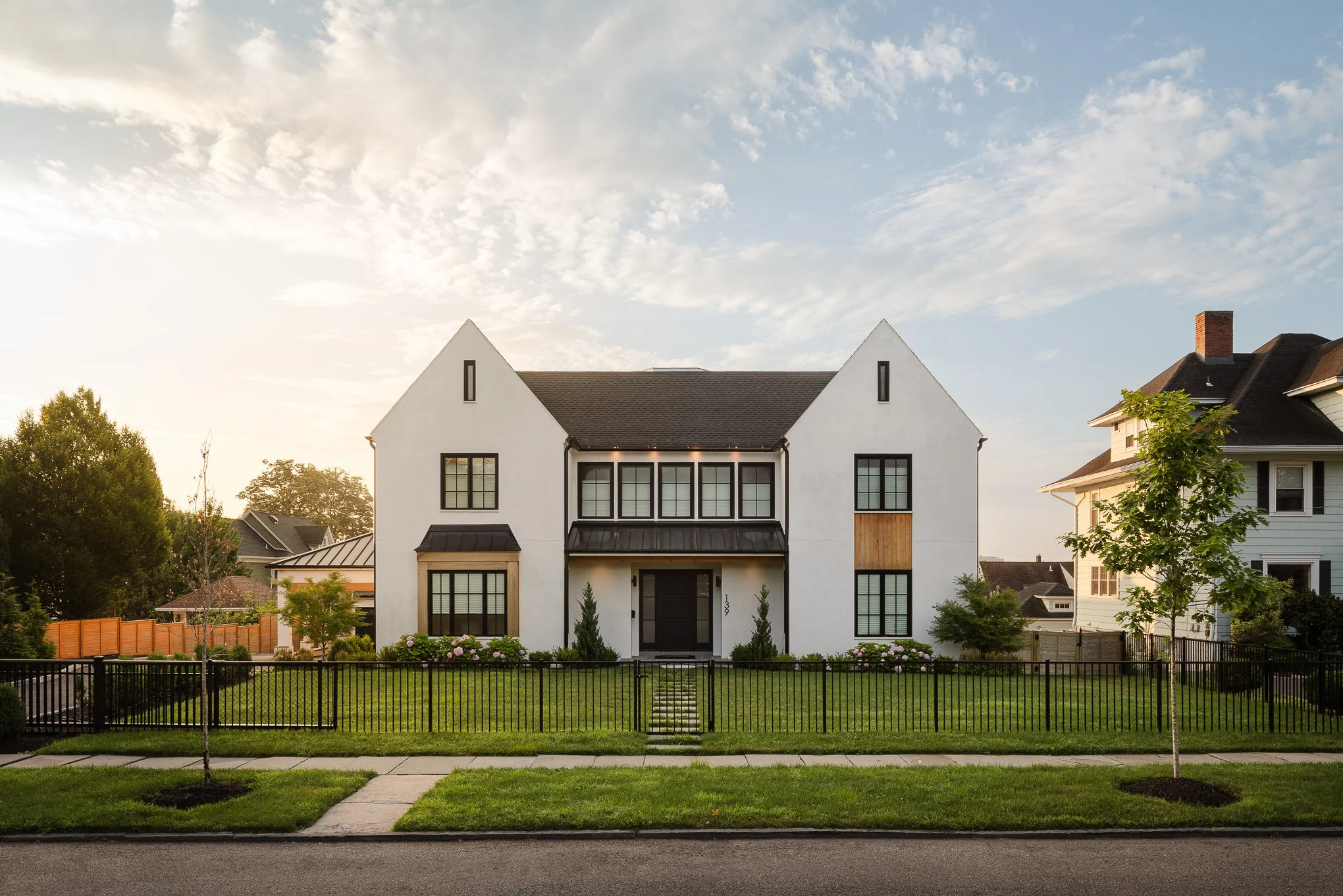
Photography: MANNINO Project Portfolio
Written by: Rosario S. Mannino, AIA, LEED AP
© 2025 MANNINO. All Rights Reserved.