
The Art of Invisibility: Redefining Estate and Pre-War Security in 2026
In 2026, UHNW homeowners prioritize invisible, intelligent security systems that protect physical and digital assets without compromising architectural beauty.
By RS MANNINO – Architect-Led Design Build
For the ultra-high-net-worth homeowner, the ultimate luxury isn't just security—it’s the complete absence of its visual footprint.
⸻
Introduction: The New Standard of Sanctuary
For decades, high-level residential security was defined by visibility: imposing gates, obvious camera surveillance, and fortified entry points. It was a deterrent based on intimidation.
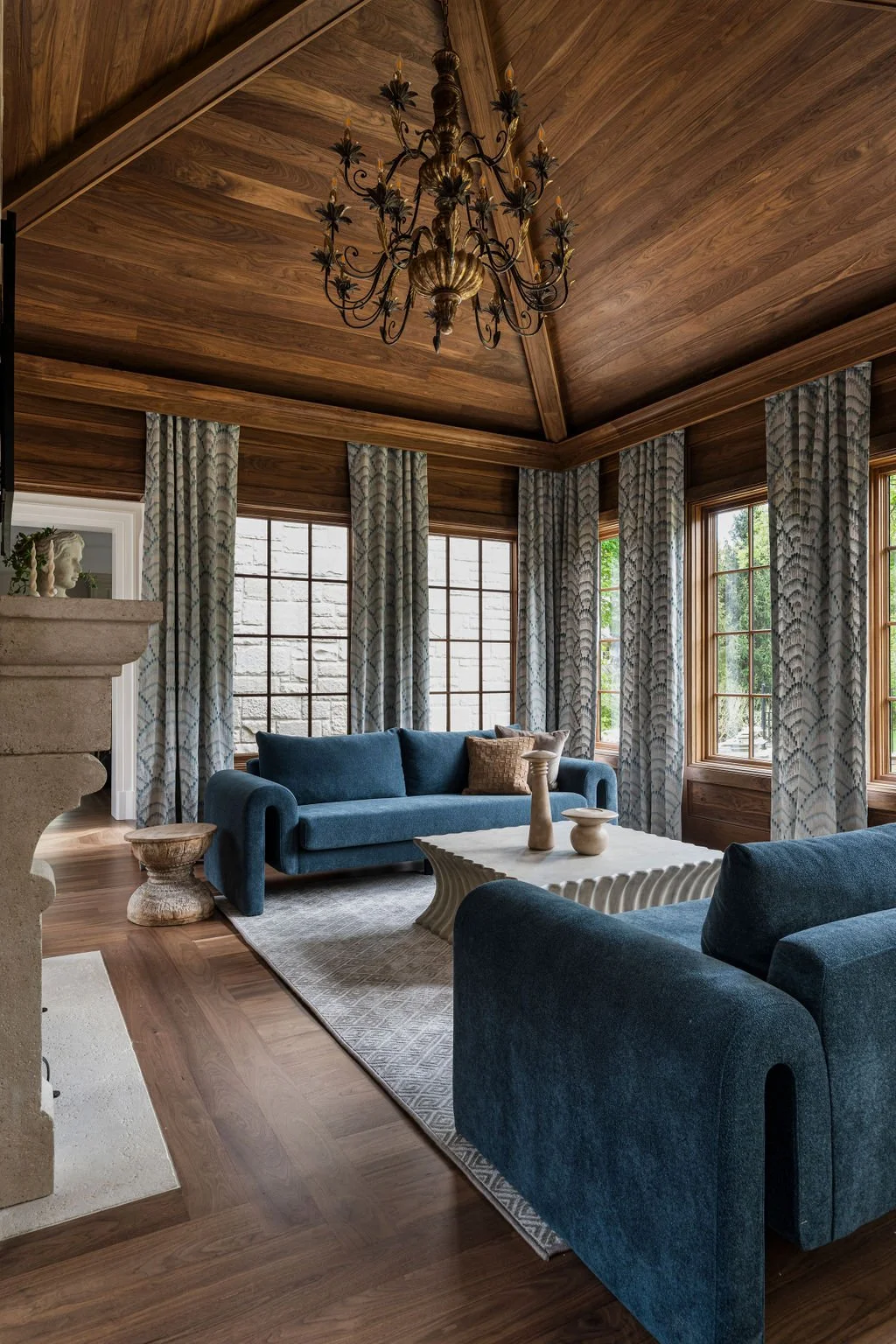
By 2026, the paradigm for Ultra-High-Net-Worth (UHNW) individuals has shifted entirely. True luxury today is the seamless convergence of safety and aesthetic purity. Our clients demand fortress-level protection that feels like an open, welcoming sanctuary. They want systems that are felt, not seen—technology that proactively manages risk without ever interrupting the architectural narrative of a historic Manhattan apartment or a sprawling New Jersey estate.
At RS Mannino, we believe that if you notice the security system, it has failed its design mandate.
⸻
The Evolution: From Hardware to Intelligence
The security landscape of the 2010s was dominated by obtrusive hardware. The security landscape of 2026 is dominated by artificial intelligence and miniaturization.
Modern protection is no longer reactive; it is predictive. We have moved beyond motion sensors that trip on a passing shadow. Today’s estate security utilizes behavioral AI that learns the patterns of a household—distinguishing staff, family, and regular deliveries from anomalies. It is a living system that adapts, ensuring that alarms only sound when a genuine threat is identified, eliminating the friction of false positives.
⸻
The Challenge of Heritage: Protecting Pre-War Manhattan
Securing a pre-war co-op on the Upper East Side or a loft in Tribeca presents unique architectural challenges. How do you introduce 2026 technology into spaces defined by 1920s plasterwork, irreplaceable molding, and strict board regulations?
The answer lies in symbiotic design.
Invisible Access: Chunky keypads are obsolete. In 2026, access control uses sophisticated, miniaturized biometrics—scanners hidden within custom millwork or flush-mounted into stone door surrounds—that recognize residents instantly while remaining virtually undetectable to guests.
Preservation-First Sensors: We utilize sensors so microscopic they can be recessed into historic window frames or concealed behind period-appropriate wall coverings, providing a digital shield without disturbing the analog beauty of the space.
Acoustic Intelligence: Advanced audio analytics can now detect sound anomalies—like breaking glass or forced entry—in specific zones of an apartment without requiring visible window sensors.
⸻
The Estate Perimeter: Layered, Not Fortified
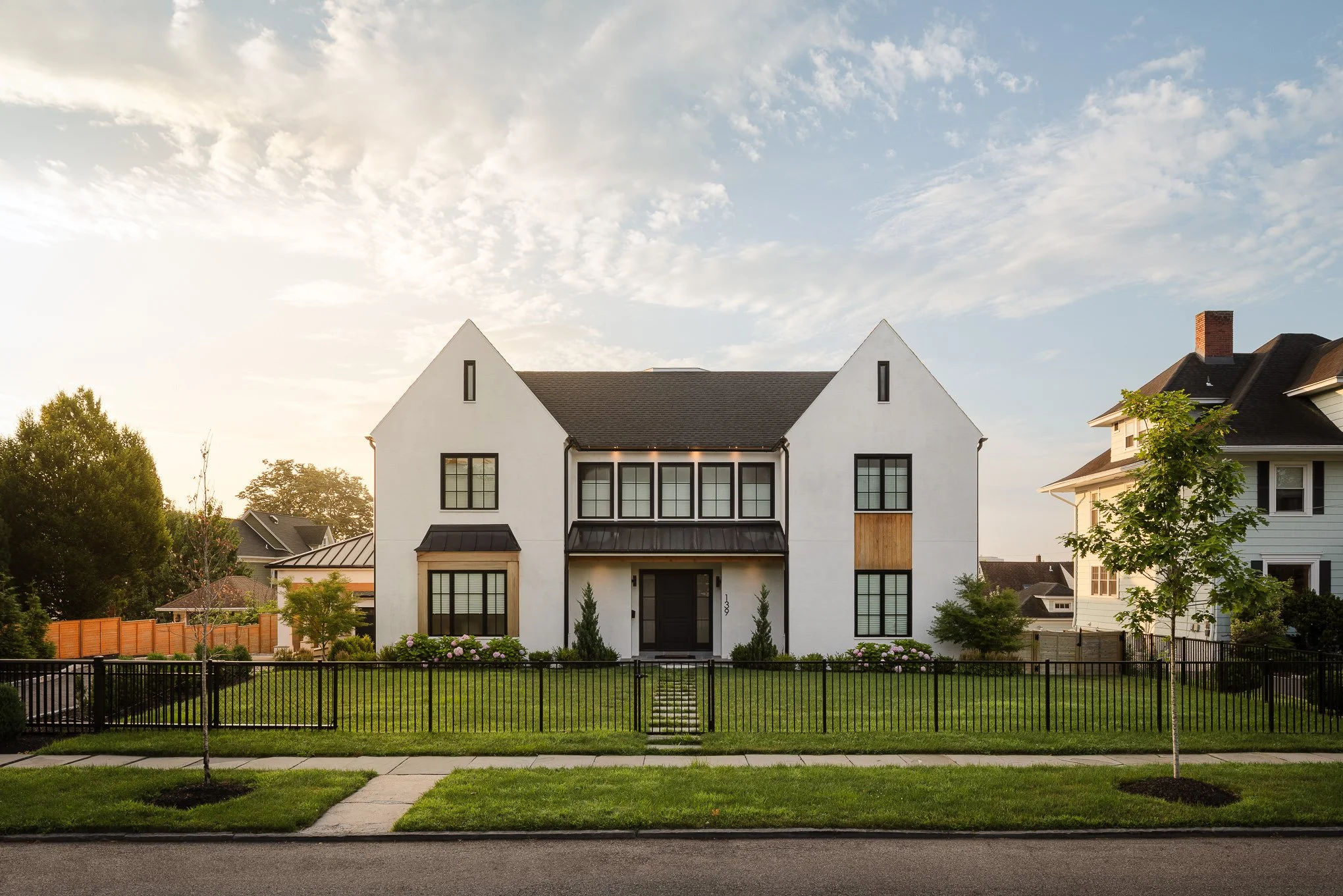
For our estate clients in Alpine or Franklin Lakes, the challenge is acreage. The goal is to track the perimeter without turning the property into a visible compound.
By 2026, the "fence" has become digital. We advise on layered approaches using thermal imaging and seismic ground sensors buried beneath landscaping. These systems classify ground vibrations—differentiating between a deer and a person—long before a visual confirmation is needed.
Drones, once a novelty, are now automated perimeter guardians housed in discrete charging stations, ready to deploy automatically to investigate anomalies detected by outer-layer sensors, providing real-time visual data to security teams without a human guard ever leaving the central post.
⸻
The Cyber-Physical Nexus
In 2026, physical security is inextricable from cybersecurity. A home cannot be safe if its network is vulnerable.
UHNW homes are hyper-connected ecosystems. The same system unlocking the front door is often integrated with lighting, climate, and audiovisual networks. "Invisible security" now means enterprise-grade network segmentation for residential properties, ensuring that an IoT device (like a smart refrigerator) cannot be used as a backdoor into critical security systems or personal data servers.
We are designing server rooms that rival small corporate data centers, securing the digital footprint just as rigorously as the physical doors.
⸻
The Architect-Led Advantage
Why discuss security on an architecture blog? Because true invisible security cannot be an add-on. It must be woven into the DNA of the home during the schematic design phase.
If a security integrator is brought in after the walls are closed, aesthetics will be compromised. As an architect-led design-build firm, RS Mannino orchestrates this integration from day one. We collaborate with top-tier security consultants before blueprints are finalized, ensuring conduits are hidden, server closets are properly ventilated, and camera sightlines are calculated to be discreet yet effective.
⸻
In 2026, security is the silent partner to luxury living. It is the deep breath taken when walking through the door, the assurance that your family and your legacy are protected by a system that respects the beauty of the home you’ve built. It is the ultimate art of invisibility.
⸻
Build With Clarity, Craft With Purpose
Every exceptional home begins with a clear foundation: vision aligned with reality.
At MANNINO, our integrated process transforms complexity into confidence — ensuring every detail, from structure to finish, reflects the architecture’s intent.
Ready to begin your Feasibility Study?
Contact MANNINO to start your journey toward a home worthy of its setting — crafted with integrity, precision, and permanence.
⸻
Photography: MANNINO Project Portfolio
Written by: Rosario S. Mannino, AIA, LEED AP
© 2025 MANNINO. All Rights Reserved.
The Beauty of Imperfection: Why Natural Stone Outlasts the Synthetic Standard
In a world of synthetic perfection, natural stone offers something more valuable: a story. Discover why authentic materials age with grace while man-made surfaces simply break.
By RS MANNINO – Architect-Led Design Build
In the world of high-end residential design, there is a quiet but significant distinction between a house that looks new and a home that feels timeless. While the marke3t is flooded4 with engineered "miracle" surfaces promising indestructible perfection, the discerning eye often returns to where it all began: the earth.
⸻
The Grace of the Patina
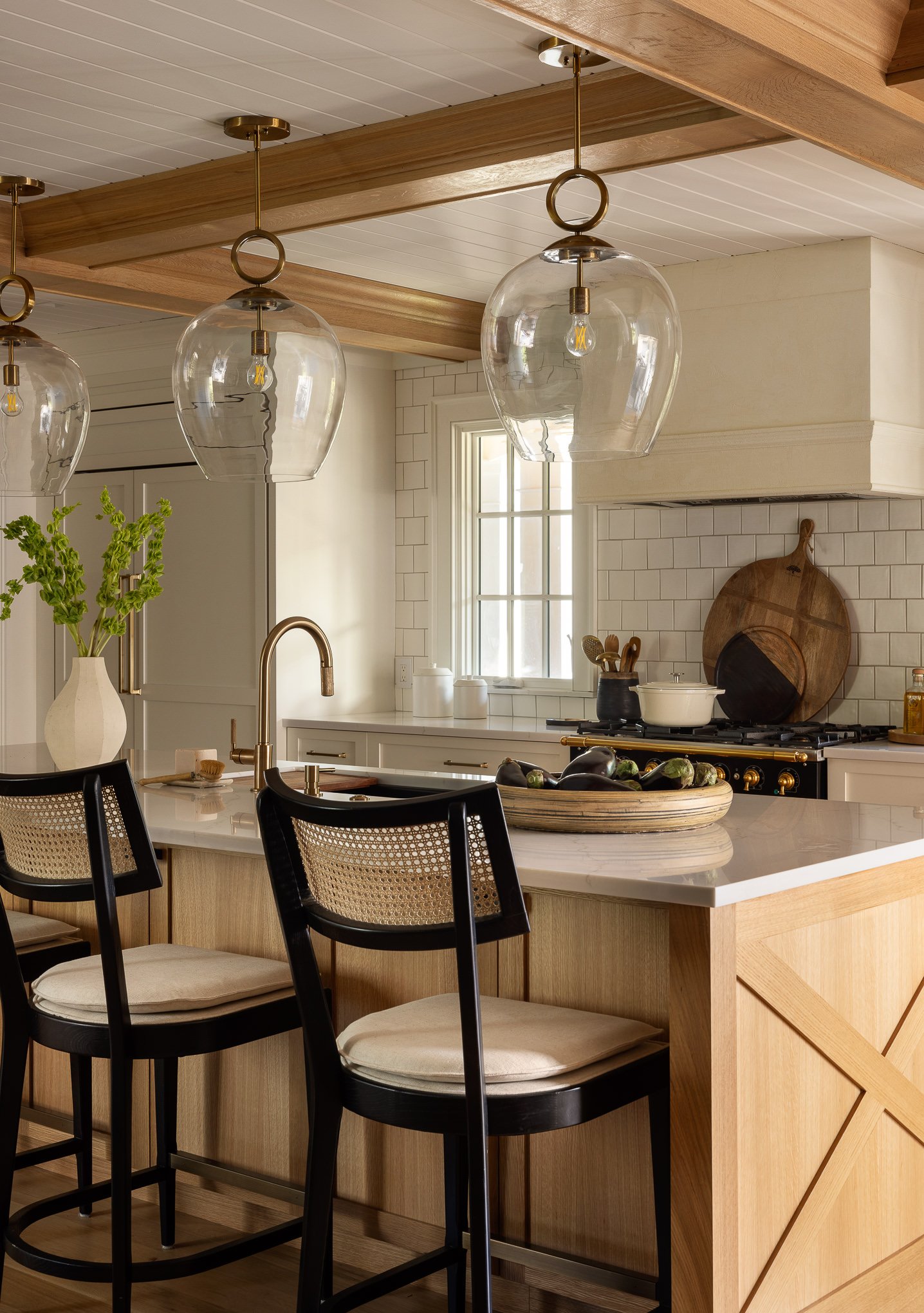
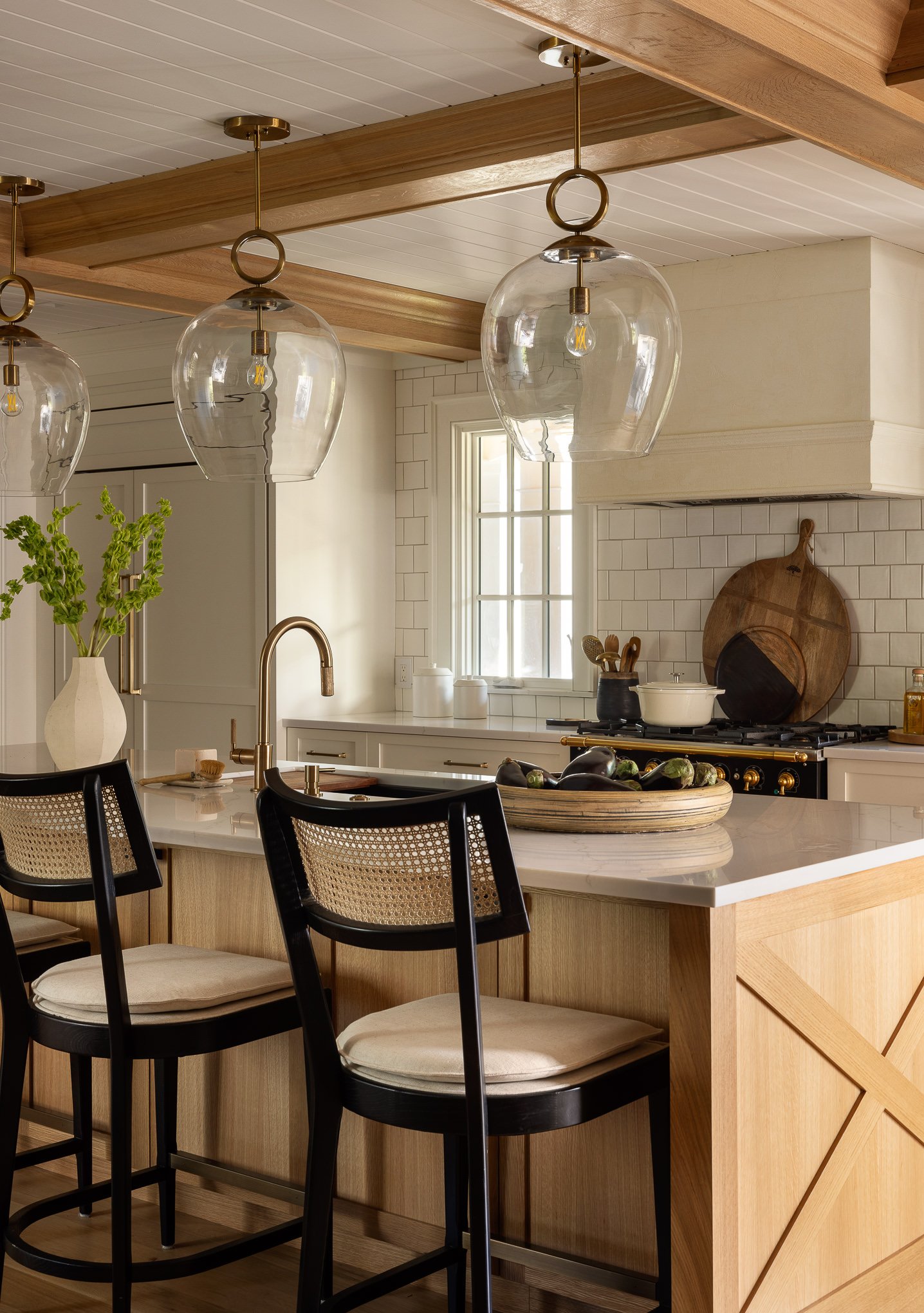
For an architect, the primary flaw of man-made materials is not their appearance on day one, but their trajectory thereafter. Engineered quartz or sintered stones are designed to be static. When they inevitably scratch, chip, or dull from heat, they simply look broken. There is no "fixing" a synthetic surface; its story ends the moment it loses its factory finish.
In contrast, natural stone - be it a deep-veined Calacatta marble or a moody, matte soapstone is a living material. It possesses the unique ability to age gracefully. Through years of dinner parties and morning coffees, natural stone develops a patina that tells the story of the home. This evolution is not a degradation; it is an enhancement of character that man-made materials can never replicate.
⸻
Mother Nature’s Narrative: Authenticity vs. Replication
Every slab of natural stone is a singular piece of history, millions of years in the making. When we select a stone for a project, we are choosing a specific architectural texture that cannot be found elsewhere.
Authenticity: There is an inherent soul in the irregular veining of natural materials that synthetic patterns, however high-resolution, fail to capture.
Depth: Natural stone has a luminosity and crystalline structure that reacts to light in a way that printed resins cannot.
Legacy: Using authentic stone aligns with the philosophy of designing for generations. It is a material that doesn't just survive time; it celebrates it.
⸻
Technical Realities: Durability and Maintenance
While man-made quartz is marketed as "maintenance-free," the reality of a luxury kitchen often favors the resilience of natural stone.
Heat Resistance: Natural stones like granite and quartzite are born of extreme geological heat and can withstand a hot pan directly on the surface. Synthetic resins in man-made stone can scorch or melt under the same conditions.
Repairability: A chip in a marble edge can be feathered and smoothed by a craftsman, becoming part of its history. A chip in a man-made surface often leaves a permanent, dull scar.
Environmental Impact: For the eco-conscious homeowner, natural stone is the "greener" choice. It is quarried directly from the earth, whereas man-made stones are factory-produced using chemical resins and pigments.
⸻
The Designer’s Verdict
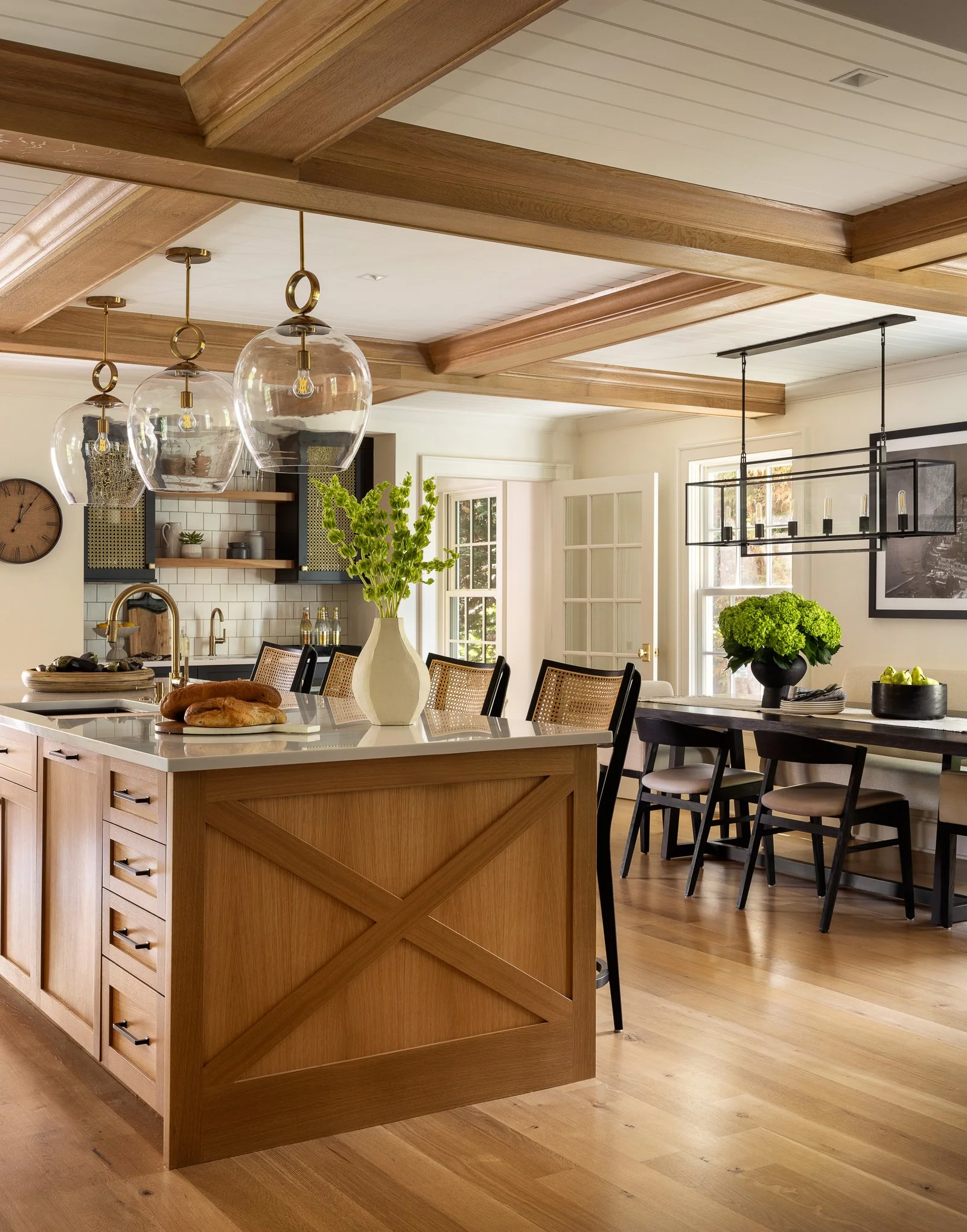
In high-end design, we aren't just looking for surfaces that stay the same; we are looking for surfaces that become more beautiful the longer you live with them. Natural stone offers a sense of individuality—no two slabs are ever identical, making your home a true work of art.
⸻
Build With Clarity, Craft With Purpose
Every exceptional home begins with a clear foundation: vision aligned with reality.
At MANNINO, our integrated process transforms complexity into confidence — ensuring every detail, from structure to finish, reflects the architecture’s intent.
Ready to begin your Feasibility Study?
Contact MANNINO to start your journey toward a home worthy of its setting — crafted with integrity, precision, and permanence.
⸻
Photography: MANNINO Project Portfolio
Written by: Rosario S. Mannino, AIA, LEED AP
© 2025 MANNINO. All Rights Reserved.