Low-Carbon Luxury: The New Standard in High-End Homebuilding (2025 Edition)
Luxury has long been synonymous with craftsmanship, comfort, and permanence. But in 2025, permanence means something new. It means designing and building homes that endure not only in form and style—but in environmental integrity. The next generation of high-end homeowners expects their residence to reflect their values as much as their taste. “Sustainable luxury” is no longer a contradiction; it’s the new mark of refinement.
At MANNINO, we call this movement Low-Carbon Luxury—a philosophy that unites advanced building science with timeless architectural design. It’s not about chasing certifications or following trends. It’s about crafting homes that feel as good as they look, that perform quietly and efficiently behind the walls, and that stand as legacies of both beauty and responsibility.
⸻
The luxury home market has evolved beyond token gestures toward sustainability. Solar panels and high-efficiency appliances are now table stakes. What discerning homeowners seek is holistic integration—materials and systems that lower carbon impact without compromising aesthetics, craftsmanship, or comfort.
Low-carbon design begins long before construction starts. Every decision—from the foundation mix to the finish palette—carries a carbon story.
At MANNINO, our process now evaluates materials through both performance and provenance:
• How far did it travel?
• How was it made?
• Can it be reclaimed or repurposed?
• Does it contribute to a healthy indoor environment?
This mindset allows luxury to return to its roots: things made to last, with intention, by human hands.
⸻
Concrete is the backbone of construction—and historically, one of its biggest carbon offenders. Traditional Portland cement production accounts for nearly 8% of global CO₂ emissions.
In 2025, we’ve embraced new formulations like Portland-Limestone Cement (PLC) and LC3 (Limestone Calcined Clay Cement). These next-generation blends reduce embodied carbon by 30–40% while delivering equal or greater strength and durability.
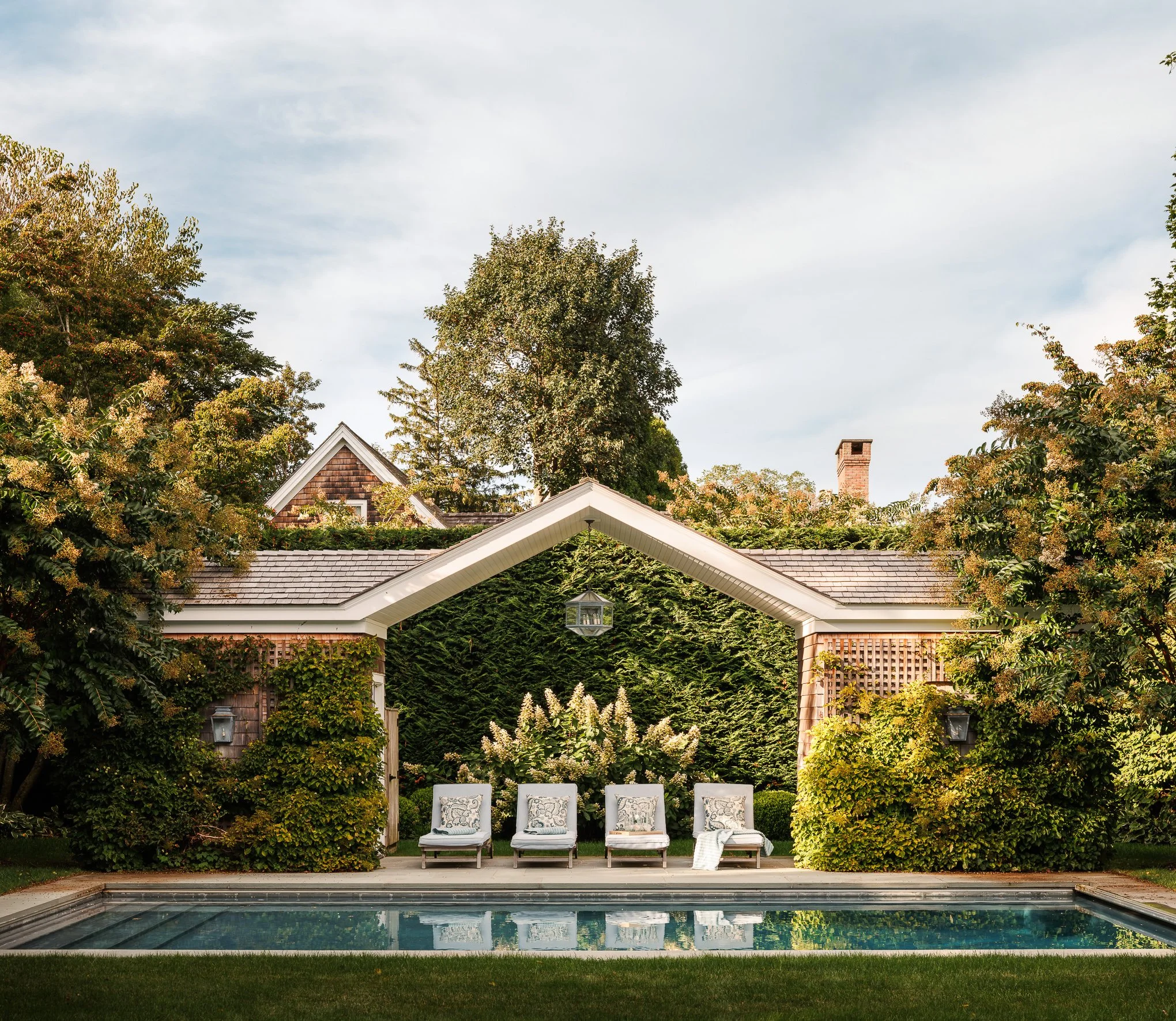
On our projects, specifying PLC or LC3 concrete is now standard practice. When clients walk their foundation pour, they’re witnessing one of the most impactful sustainability decisions of the entire build—one that requires no sacrifice in beauty or performance.
⸻
There’s a reason architects have returned to wood—not as nostalgia, but as innovation.
Mass timber technology, allowed under expanded U.S. building codes, now enables larger spans and richer architectural expression with a dramatically smaller carbon footprint than steel or concrete.
Even in custom residential projects, engineered wood beams, laminated columns, and FSC-certified lumber are transforming both structure and style.
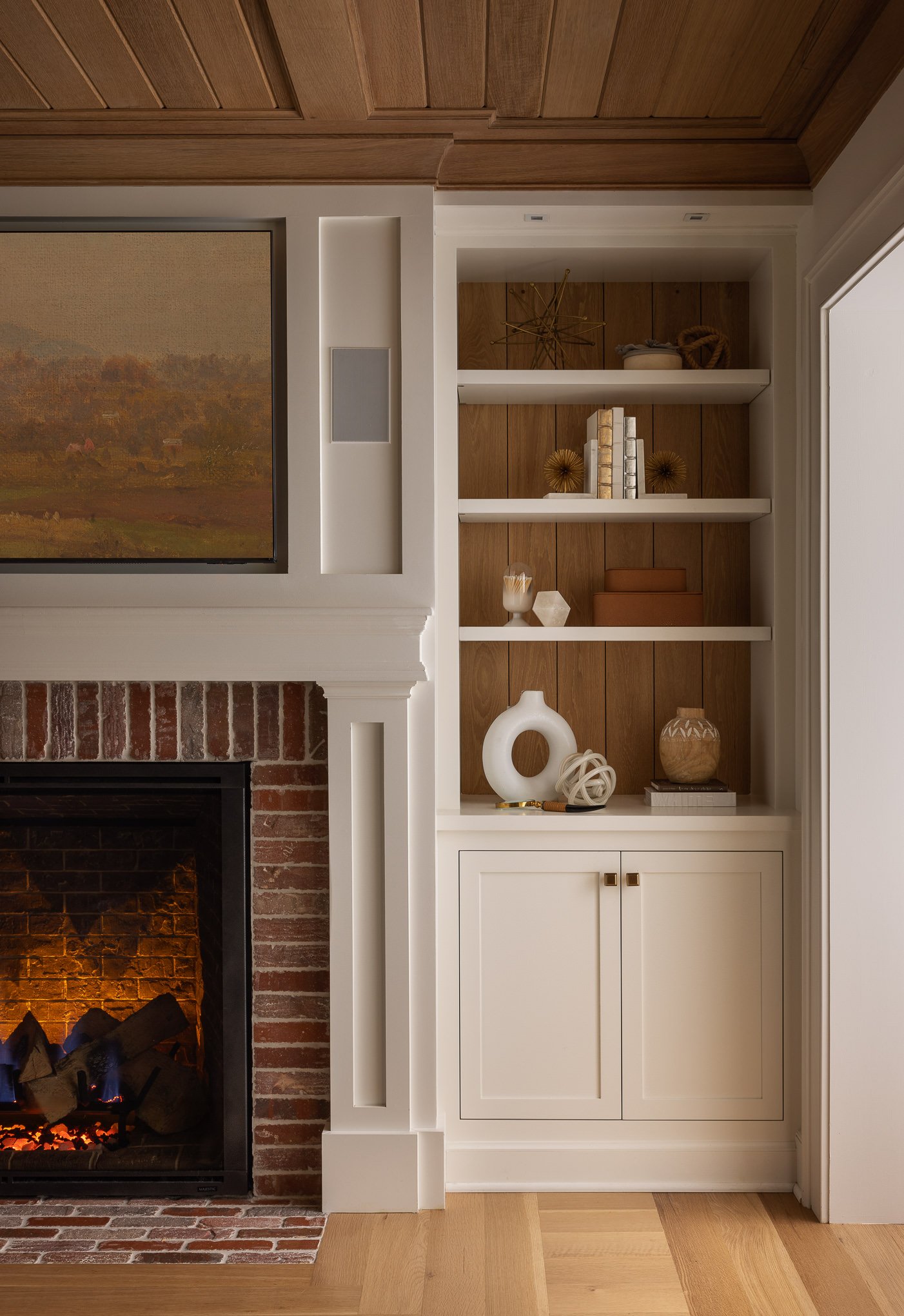
We’ve always valued the tactile warmth of wood at MANNINO—from custom millwork to exposed structure—but we now source it with a purpose. Our millwork team works exclusively with domestic hardwoods from sustainably managed forests, using precise digital fabrication to minimize waste. Walnut, white oak, and ash—all locally milled and finished in-house—bring character that’s measured not just in grain, but in integrity.
The art of building quietly efficient homes lies in what the eye doesn’t see: insulation, mechanical zoning, and balanced ventilation.
All-electric systems are now the gold standard in both performance and comfort. Modern heat pumps can handle even Northeastern winters with silent, zoned precision. Coupled with radiant floor systems, ERV ventilation, and triple-pane fenestration, they create a whisper-quiet environment that maintains consistent temperature and air quality throughout the home.
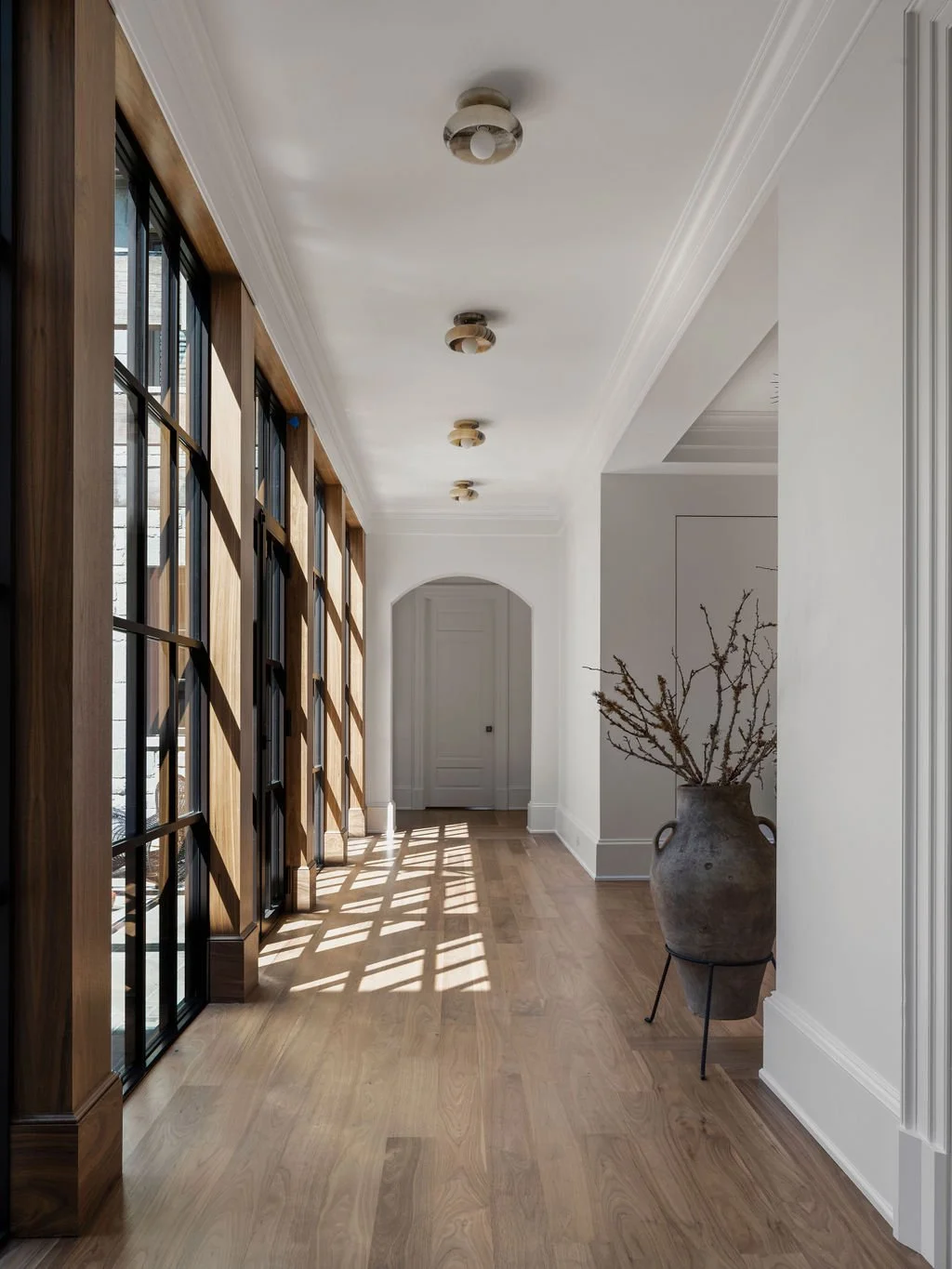
More importantly, these systems are architecturally invisible. Today, sustainability can live behind plaster walls, beneath reclaimed floors, and above coffered ceilings—seamlessly.
⸻
If the kitchen is the heart of the home, it’s also where tradition meets innovation. The best chefs in the world now cook on induction—not just for sustainability, but for control, safety, and precision.
Induction ranges from La Cornue, Wolf, and Gaggenau bring power and poise without gas lines, carbon monoxide, or wasted heat. Clients who once resisted electrification now celebrate it as an upgrade, not a concession.
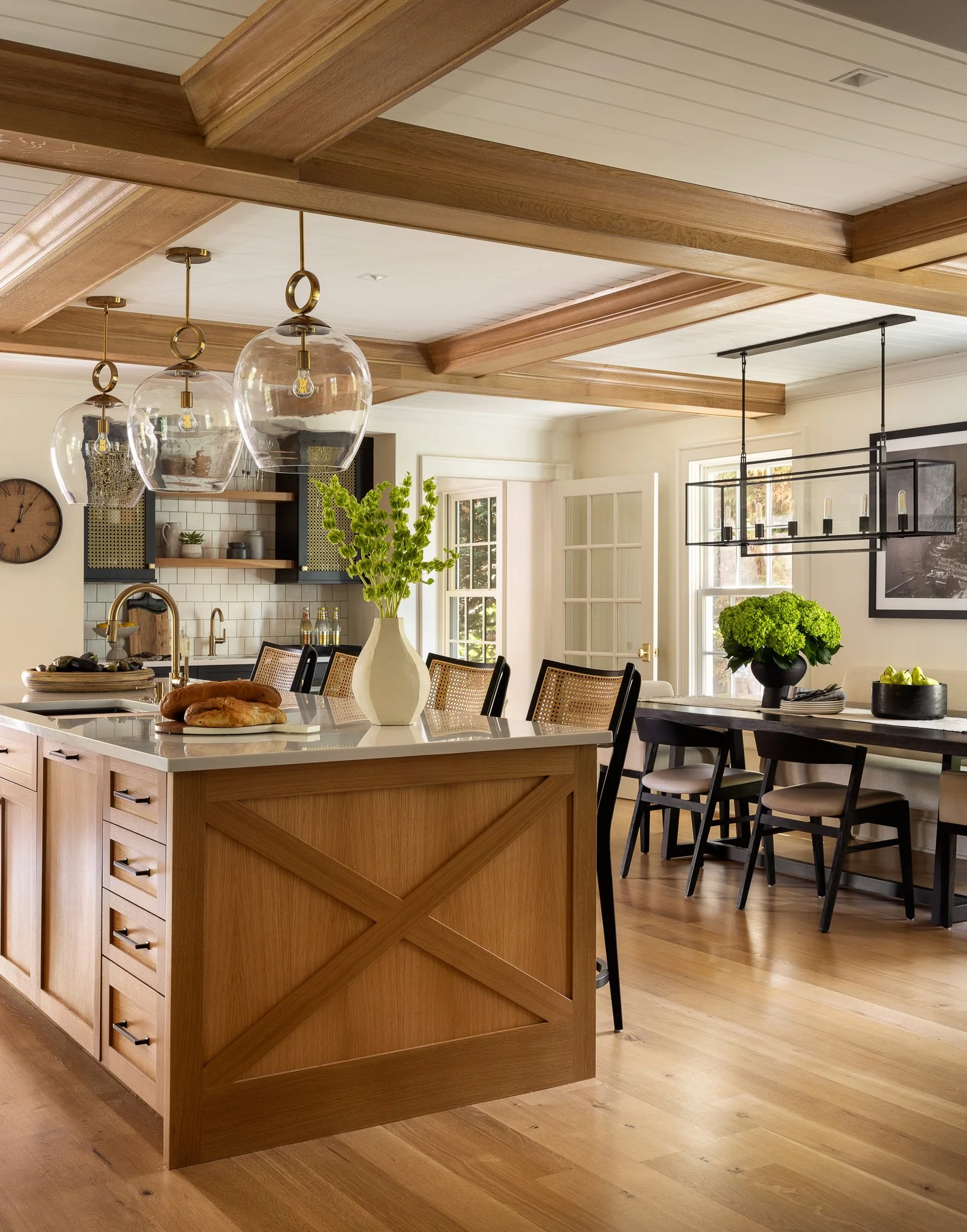
Our design teams integrate induction and ventilation strategies early in the process, ensuring performance harmony with cabinetry, lighting, and millwork detailing. It’s this marriage of technology and tactility that defines low-carbon luxury.
⸻
One of the most transformative shifts in 2025 is the Matter smart-home protocol—a unified language that finally allows Apple, Google, Amazon, and others to work seamlessly together.
For homeowners, this means frictionless control of lighting, shading, climate, and security systems. For builders, it means long-term reliability and reduced service calls.
At MANNINO, we’ve established Matter-first specifications for lighting, thermostats, and shading controls, allowing every smart-home ecosystem to feel intuitive, not intrusive.
Technology should enhance serenity, not disrupt it.
⸻
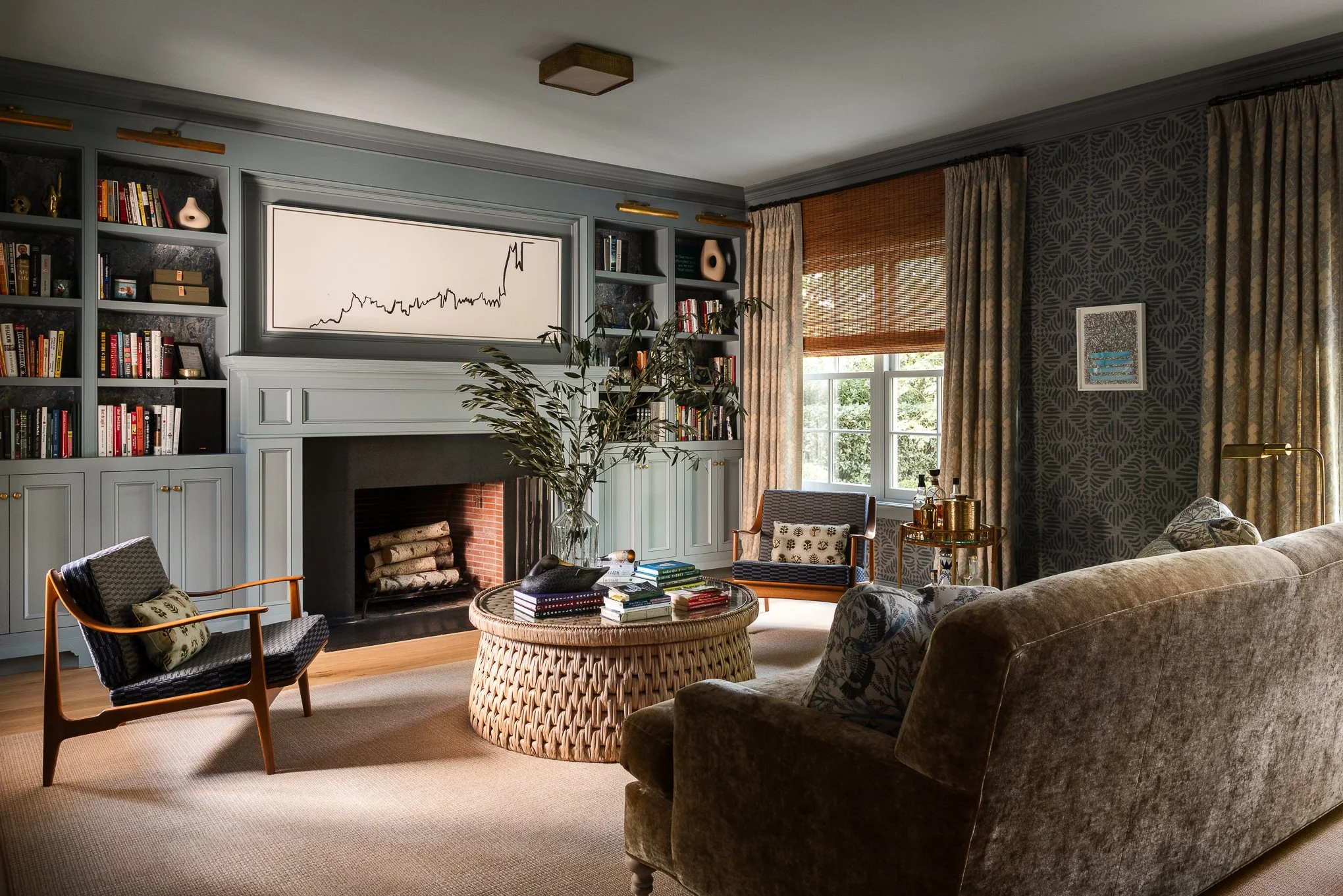
Luxury is tactile. But material indulgence can coexist with restraint when sourced responsibly.
We’ve seen an extraordinary evolution in surface materials:
• Lime plaster and natural clay paints regulate humidity while providing luminous texture.
• Recycled stone composites mimic traditional marble with a fraction of the carbon footprint.
• Natural fiber textiles—linen, wool, hemp—create comfort that breathes.
• VOC-free finishes and adhesives protect indoor air and reduce chemical load.
Even furnishings are being reconsidered. The new luxury client values heritage craftsmanship—fewer, better pieces, often made locally. The narrative of a hand-crafted dining table or bespoke built-in now carries the same prestige once reserved for imported stone.
⸻
Sustainability is only part of the story. The modern estate must also stand resilient—against storms, outages, and time itself.
Our recent homes integrate backup power, battery storage, and storm-resistant envelope detailing as standard. Paired with air filtration, acoustic insulation, and biophilic daylighting, these measures create homes that nourish health as much as they preserve energy.
The result is peace of mind: a sense that the home is not just a place of retreat, but of quiet strength.
⸻
An often-overlooked benefit of low-carbon design is financial. The Inflation Reduction Act and state programs provide generous incentives through 2032 for high-efficiency equipment, envelope upgrades, and solar-plus-storage systems.
Our team helps clients capture these credits early in design—aligning system choices with available rebates and optimizing long-term returns. Low-carbon luxury isn’t just ethical—it’s economically intelligent.
⸻
When we talk about building for generations, it’s no longer a romantic notion. It’s a responsibility. The homes we design today will outlive us—and the environmental choices we make will define their worth for decades to come.
Low-Carbon Luxury is about creating that inheritance—an architectural language rooted in elegance, efficiency, and empathy for the world around us.
At MANNINO, we believe true luxury is not excess—it’s intention. Every beam, every joint, every texture should serve both the human spirit and the environment that sustains it.
Because the greatest luxury of all is knowing your home will stand beautifully, responsibly, and resiliently—for generations yet to come.
Photography: MANNINO Project Portfolio
Written by: Rosario S. Mannino, AIA, LEED AP
© 2025 MANNINO. All Rights Reserved.